January 29, 2026
Automotive repair shops rely on quality equipment and well-planned layouts to provide safe, efficient service to their customers. One of the most essential pieces of equipment in any shop is the auto lift, which allows mechanics to access the underside of vehicles safely and efficiently. From routine maintenance to complex repairs, a properly functioning auto lift ensures work is completed accurately, safely, and in less time.
According to Gitnux, over 50% of auto shops are independently owned and operated. These businesses often invest in high-quality equipment like auto lifts to maintain competitive advantages, enhance safety, and provide dependable service. Understanding how to use and maintain an auto lift is crucial for shop owners, employees, and even DIY enthusiasts who operate personal garages safely.
Understanding the Importance of Auto Lifts
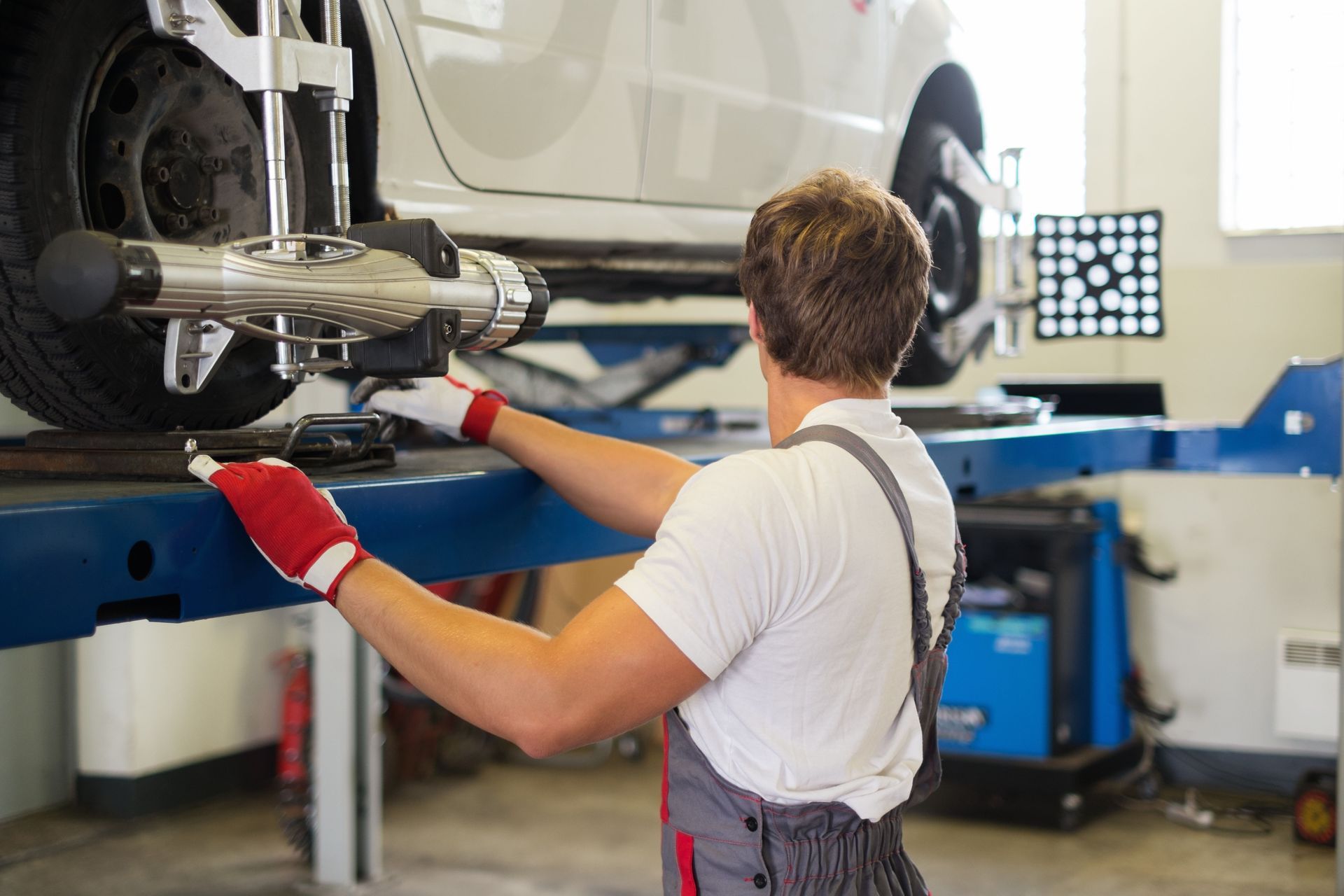
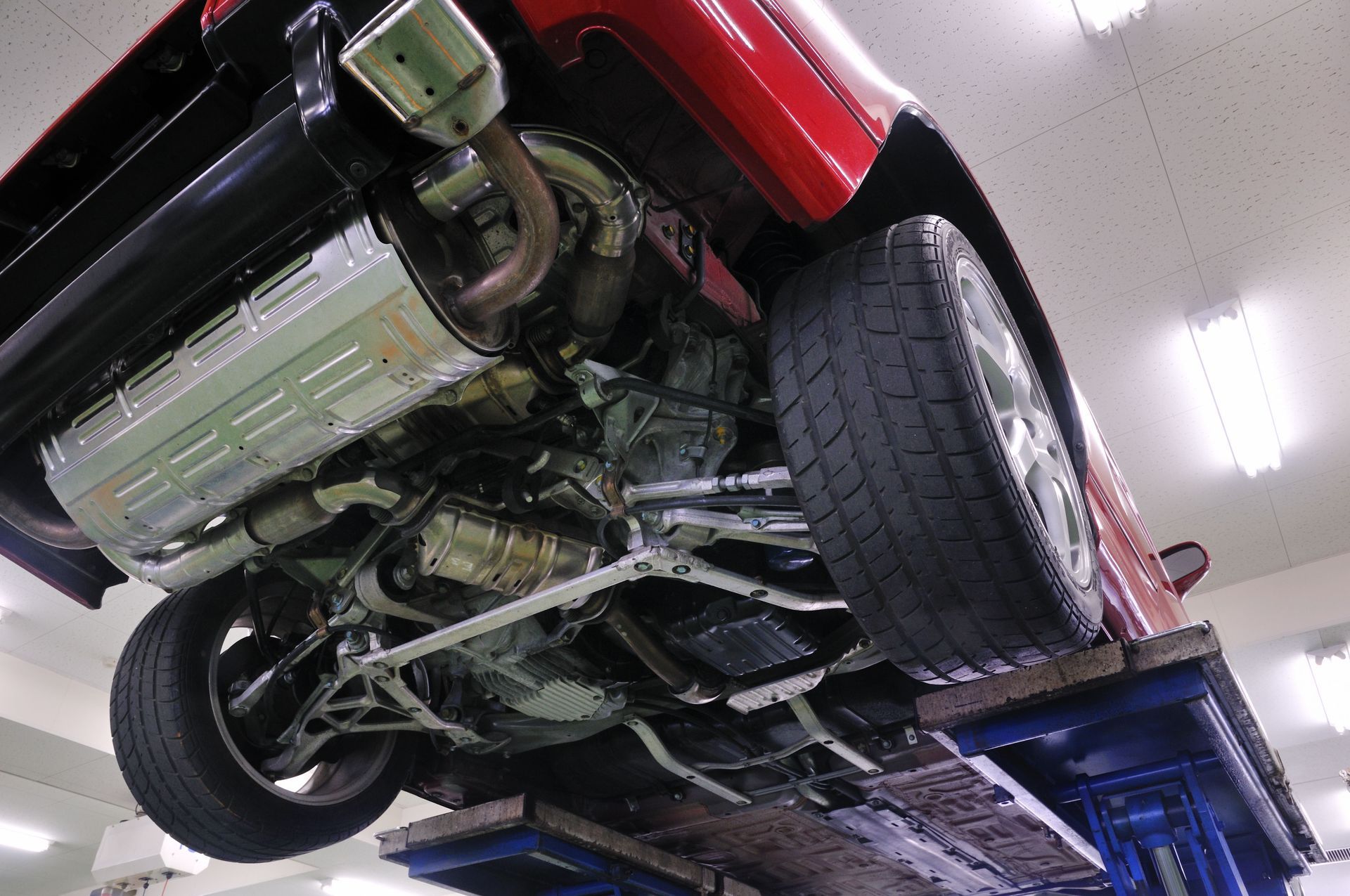
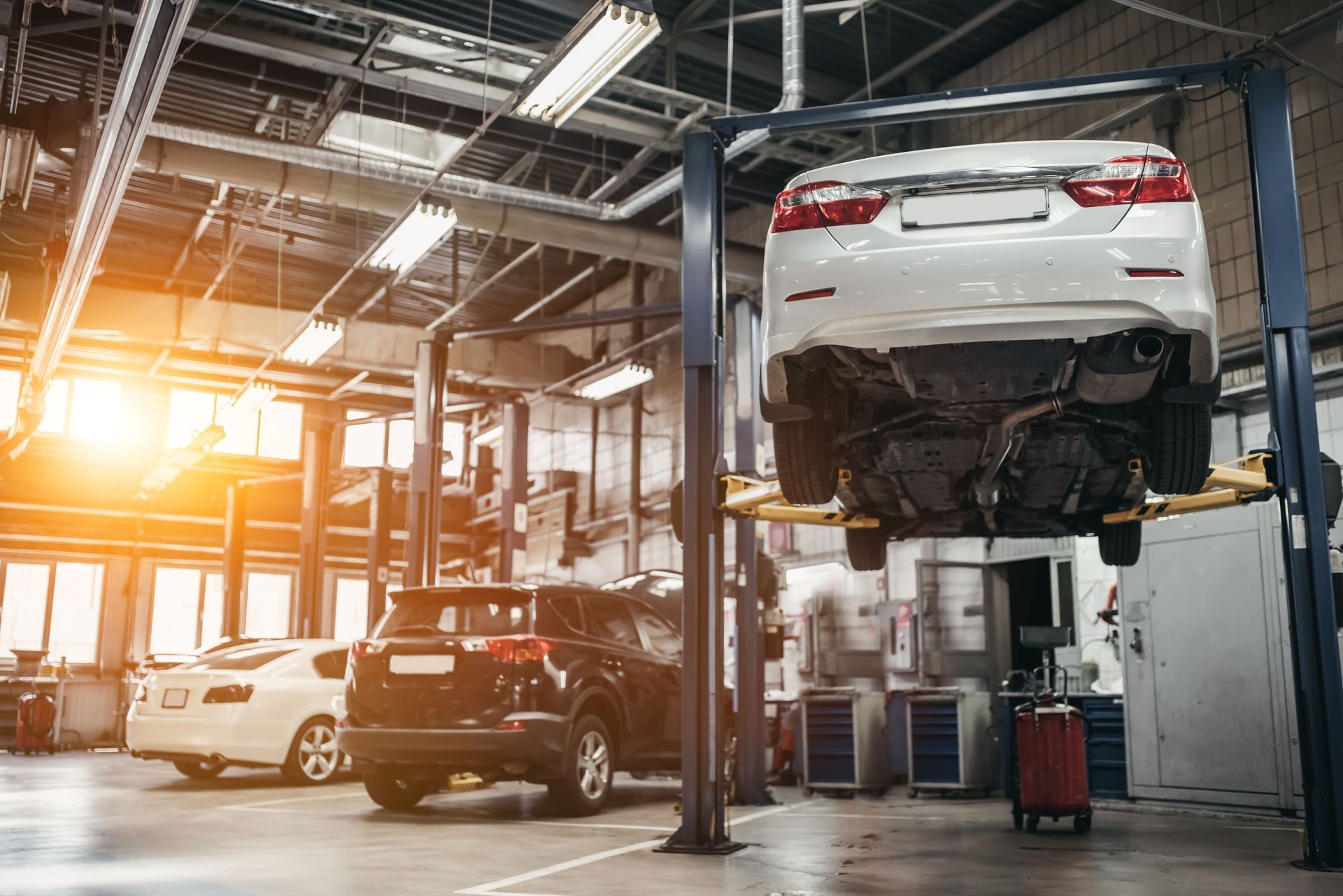
An auto lift is more than just a convenience; it is a necessity for modern vehicle maintenance. By elevating vehicles, technicians can easily access brakes, suspension components, and the exhaust system without the physical strain of crawling under a car. This reduces injury risks, increases efficiency, and allows mechanics to perform thorough inspections that might otherwise be difficult or impossible.
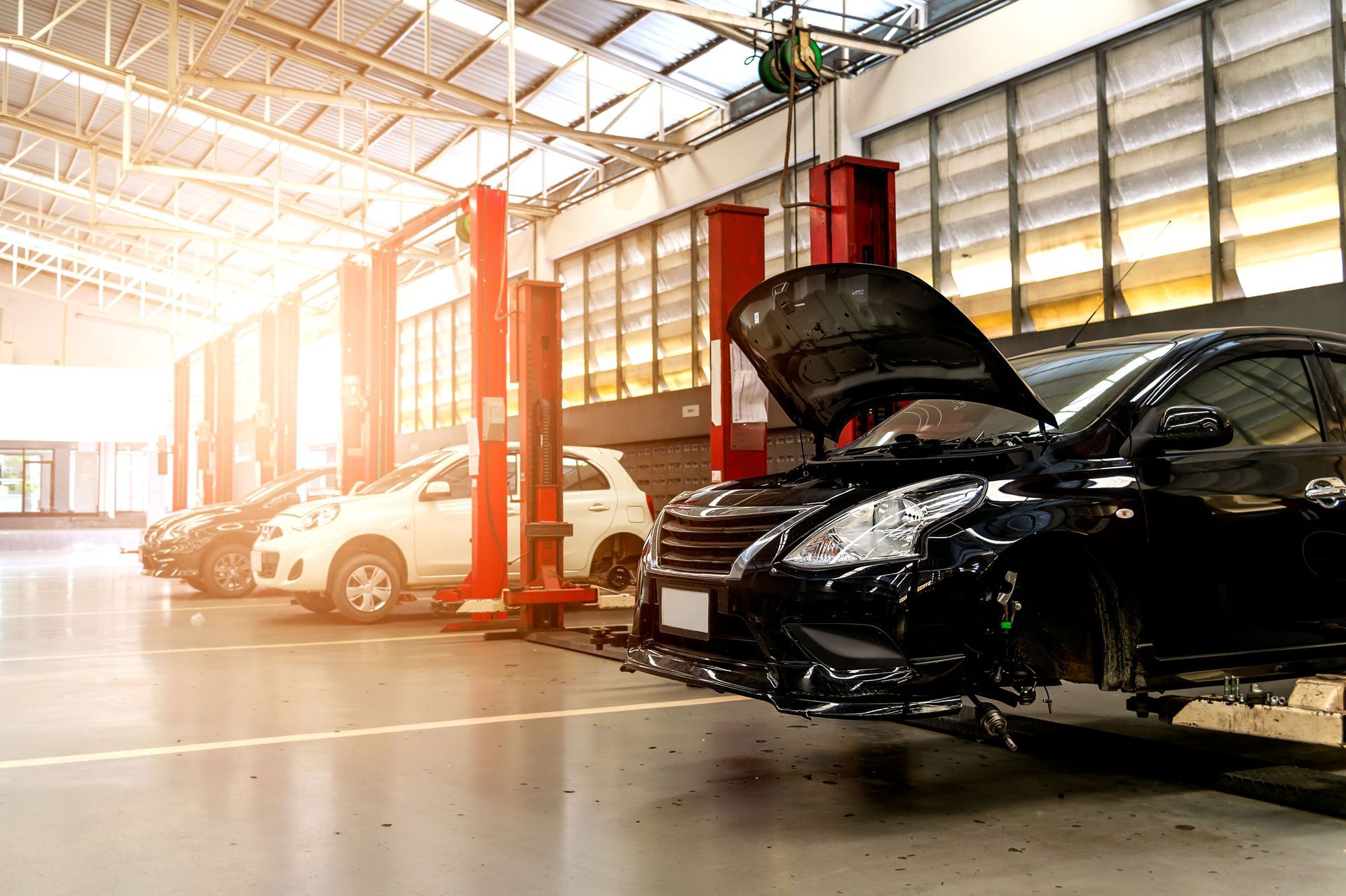
Auto lifts come in various types, including two-post lifts, four-post lifts, scissor lifts, and portable lifts. Each serves specific purposes depending on the shop’s size, vehicle types, and workflow needs. Selecting the right lift can significantly influence the shop’s productivity and overall safety standards.
Choosing the Right Auto Lift for Your Shop
When selecting an auto lift, shop owners must consider several key factors. Weight capacity is crucial, as lifts must safely support the vehicles being serviced. Space constraints in the shop also dictate which lift types are practical. For smaller garages, a two-post or portable lift may work best, while larger shops often benefit from four-post lifts capable of handling trucks and SUVs.
Safety features such as locking mechanisms, automatic shut-offs, and emergency release systems are essential considerations. Quality construction, durable materials, and compliance with industry safety standards ensure long-term reliability. Investing in a high-quality auto lift may seem expensive upfront, but it pays off through increased efficiency, reduced injury risk, and extended equipment life.
Maintaining Your Auto Lift for Optimal Performance
Proper maintenance is critical for keeping an auto lift functioning safely and efficiently. Regular inspections, lubrication of moving parts, and checking hydraulic systems prevent accidents and extend the lift’s lifespan. Follow the manufacturer’s maintenance guidelines, including load testing, cable inspections, and pad replacements. Routine cleaning of the lift prevents debris accumulation that could interfere with operation.
Training employees on proper lift usage is also part of maintenance. Safe operation includes verifying that vehicles are positioned correctly, weight limits are not exceeded, and all safety locks are engaged. A well-maintained auto lift reduces downtime and ensures that the shop operates at maximum efficiency.
Improving Shop Workflow With Auto Lifts
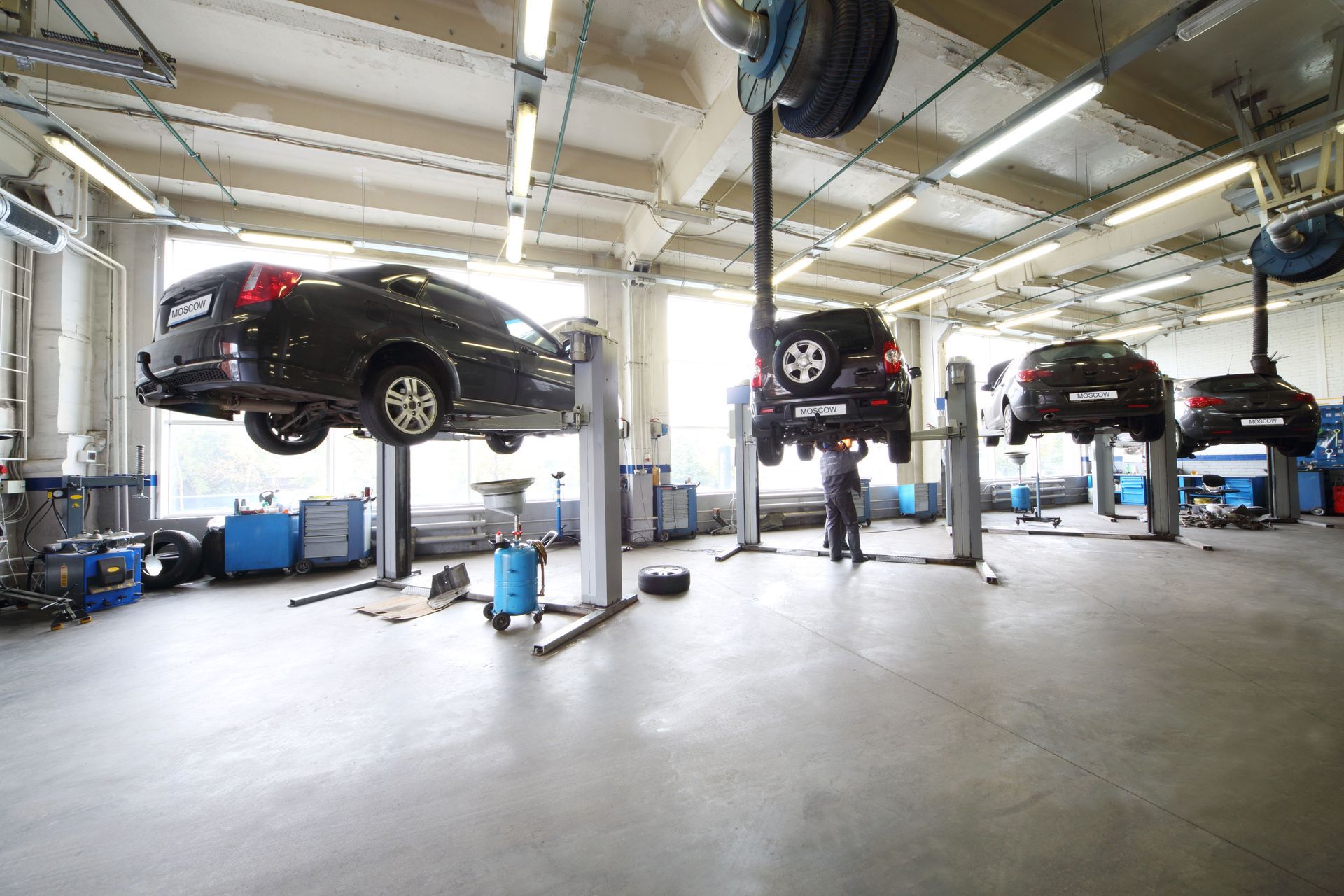
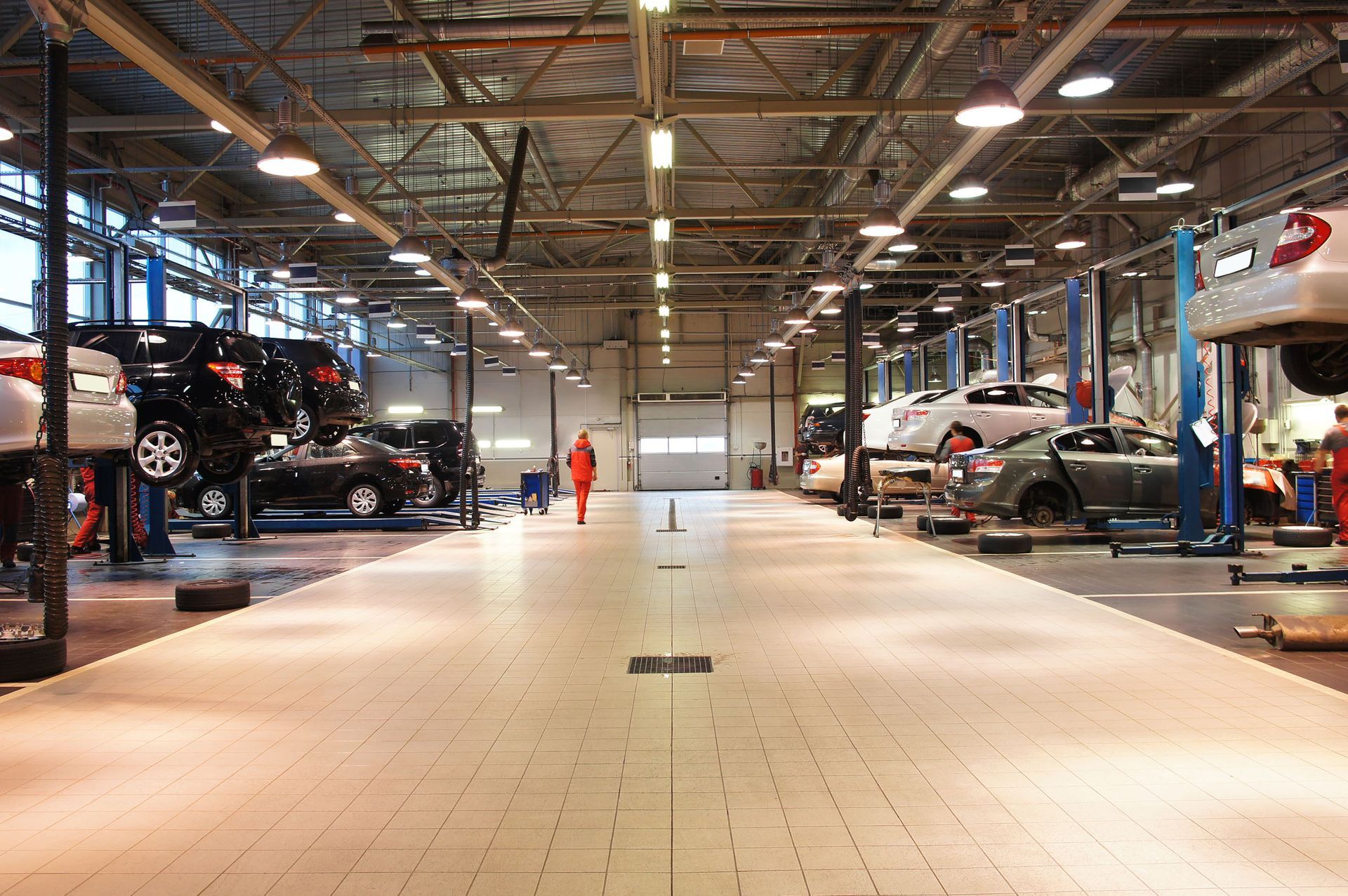
Auto lifts streamline workflow by making vehicle servicing faster and safer. Elevated vehicles provide unobstructed access to undercarriages, allowing mechanics to complete tasks like oil changes, brake replacements, and suspension work more efficiently. Using lifts strategically in the shop layout can reduce congestion, minimize accidents, and create a more organized workspace.
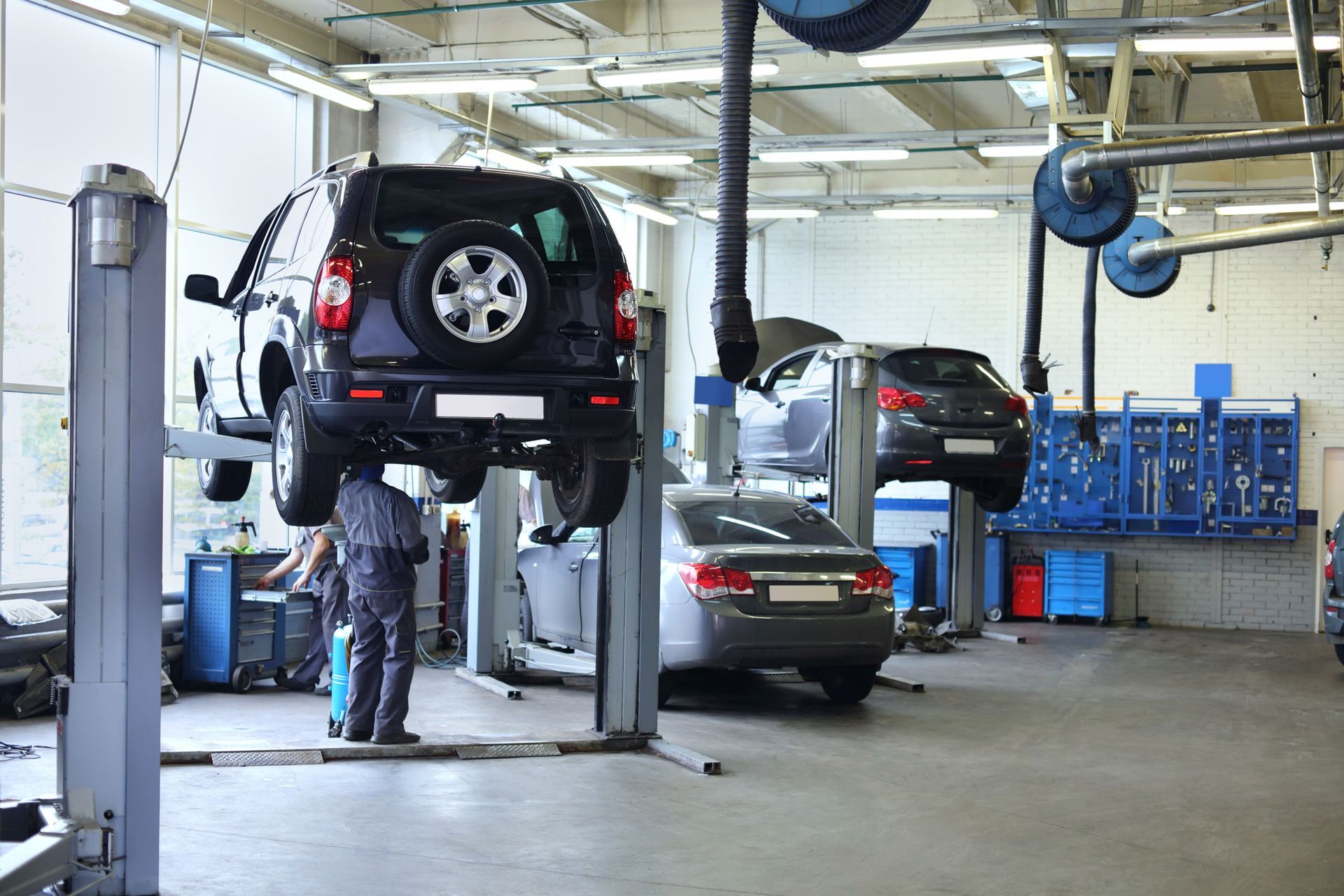
In addition, lifts enable simultaneous work on multiple vehicles. For example, two vehicles can occupy separate lifts while technicians perform different services, increasing overall productivity. Investing in the right combination of auto lifts can transform a small shop into a highly functional, professional-grade service center.
Enhancing Safety Through Auto Lift Use
Safety is paramount when using an auto lift. Proper training, weight limits, and adherence to safety protocols protect both employees and vehicles. Many lifts feature mechanical locks, automatic stops, and anti-sway systems to prevent accidents. Routine inspections and adherence to manufacturer guidelines ensure these safety features work correctly.
In addition to personal safety, lifts also protect vehicles from damage. Incorrect positioning or overloaded lifts can result in dents, scratches, or more serious damage. Ensuring all staff are trained to operate lifts correctly minimizes liability and keeps repairs professional and reliable.
Maximizing the Lifespan of Your Auto Lift
Investing in an auto lift is a long-term commitment, and proper care maximizes its lifespan. Regularly servicing hydraulic systems, cleaning moving parts, and checking for wear on cables and pads keeps the lift functioning at peak performance. Periodic inspections by a certified technician can detect potential issues before they escalate, saving costs on repairs and preventing operational downtime.
Environmental factors such as temperature, humidity, and exposure to chemicals should also be considered when installing and maintaining lifts. Keeping the lift in a clean, controlled environment helps prevent rust, corrosion, and mechanical wear, extending its operational life for years to come.
Leveraging Technology With Modern Auto Lifts
Modern auto lifts often include technology that improves efficiency and safety. Features like electronic controls, remote monitoring, and automated leveling enhance precision and ease of use. Some lifts integrate with shop management software to track usage, maintenance schedules, and service efficiency.
By combining technology with proper training, shops can reduce downtime, improve workflow, and maintain high safety standards. Investing in technologically advanced lifts also signals professionalism and can give independently owned auto shops a competitive edge in the local market.
Choosing a Reliable Auto Lift Provider
Not all auto lifts are created equal, so choosing a reputable provider is essential. Look for manufacturers or distributors with strong industry reputations, quality warranties, and responsive customer support. A trustworthy provider can also offer training resources, installation services, and ongoing maintenance guidance to ensure safe and efficient operation.
Whether purchasing a lift for a new shop or upgrading an existing facility, partner with a provider that understands your specific needs and can offer guidance on selecting the right equipment. This ensures your investment is protected and supports long-term shop productivity.
Planning for Future Expansion With Auto Lifts
As your business grows, the need for additional lifts may arise. Planning for future expansion ensures your shop remains efficient and adaptable. Consider workflow, space requirements, and lift capacity when adding new units. Expanding strategically can accommodate larger vehicles, increased customer demand, and diversified services, all while maintaining a safe and organized environment. Think about the types of vehicles you commonly service and anticipate potential changes in your customer base. Properly planned lift placement minimizes congestion, reduces the risk of accidents, and allows technicians to work comfortably and efficiently.
Investing in scalable lift solutions allows shop owners to adapt to changing needs without disrupting operations. By planning ahead, independent shops can remain competitive, efficient, and profitable while providing excellent customer service. Regularly reviewing lift usage and performance can identify opportunities for optimization, helping you get the most out of each investment.
Auto lifts are a cornerstone of efficient, safe, and professional automotive repair operations. From selecting the right type and capacity to maintaining and using lifts properly, every step impacts shop productivity, safety, and profitability. By investing in high-quality lifts and leveraging technology, independent auto shops can enhance workflow, reduce downtime, and deliver top-tier service that builds customer loyalty.
Whether upgrading an existing shop or starting a new one, choose your auto lift carefully and ensure proper training and maintenance protocols are in place. These investments will pay dividends in efficiency, safety, and customer satisfaction. Ready to enhance your shop’s capabilities? Contact Central Equipment, a trusted auto lift provider, today to explore the best options for your business and maximize the potential of your service operations.