July 21, 2026
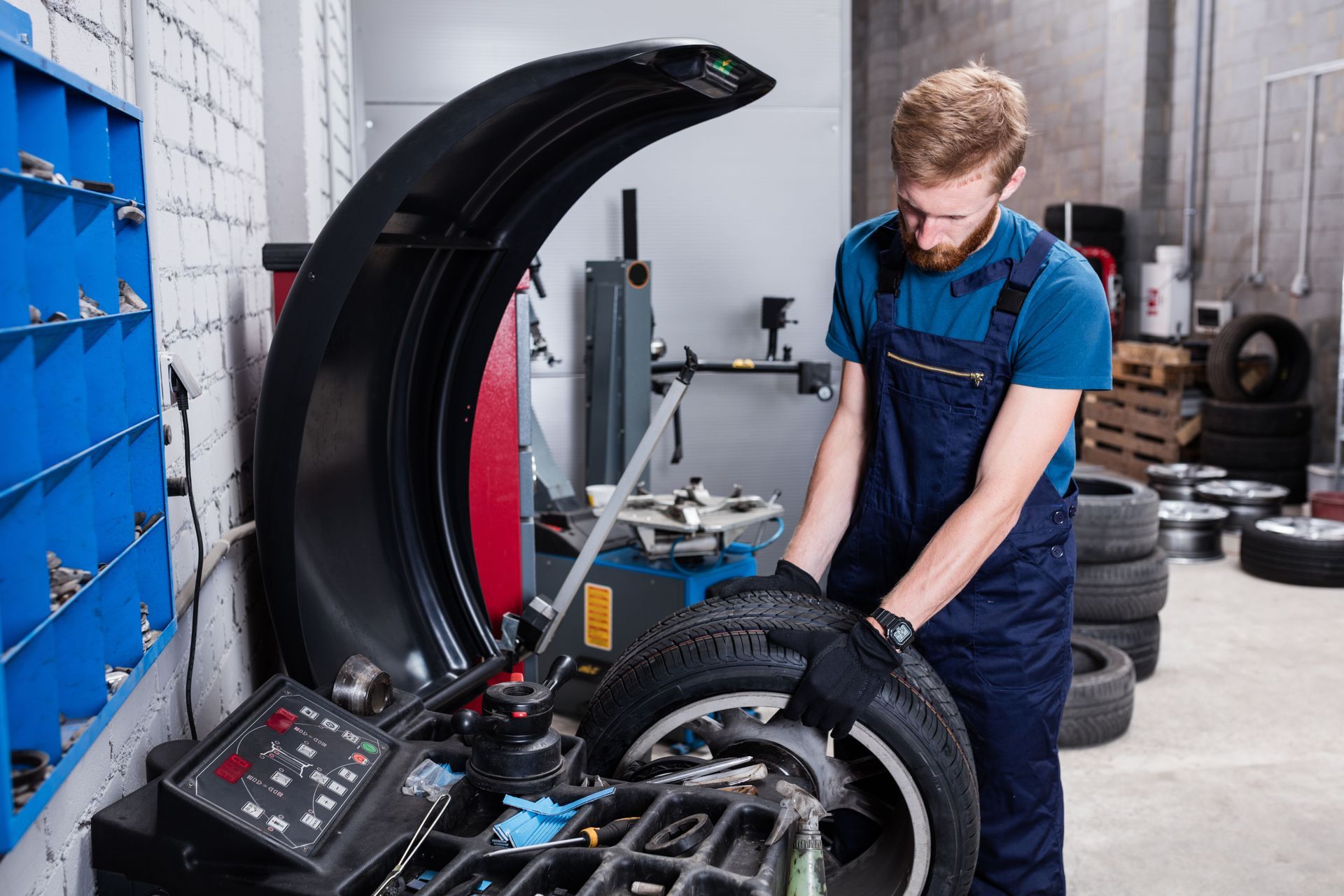
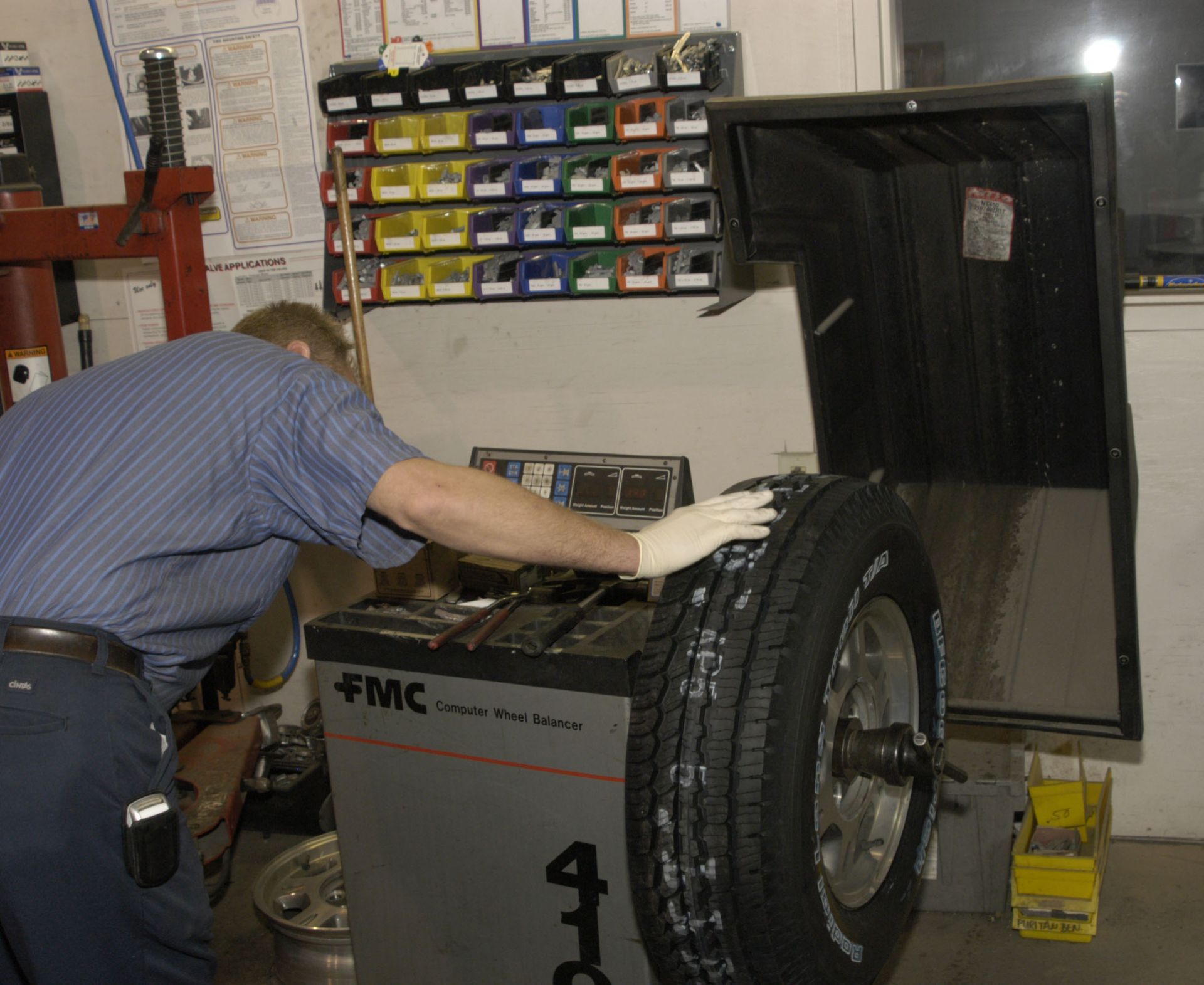
For any busy auto shop or tire center, the wheel balancer is the quiet backbone of the service bay. It’s the machine that transforms a vibrating, uncomfortable ride into a smooth, highway-ready driving experience for your customers. When it works perfectly, nobody notices. But when it starts to fail, it can quietly erode your shop's reputation, eat into your profit margins, and drive your technicians crazy.
Like any piece of heavy-duty shop equipment, wheel balancers don’t last forever. The challenge is that they rarely just stop turning on one day. Instead, they die a slow death of micro-inaccuracies, intermittent calibration errors, and creeping mechanical wear. Over time, you might find yourself budgeting more and more money for recurring wheel balancer repairs, only to realize the machine is still acting up.
If you’ve been wondering whether your current balancer is still pulling its weight or if it's time to invest in an upgrade, look out for these telltale signs that your machine is ready for retirement.
1. The "Comeback" Rate is Creeping Up
Nothing kills an auto shop’s productivity—and reputation—faster than a comeback. If customers are returning a few days after a tire install complaining of highway-speed steering wheel vibrations, you have a problem.
When a balancer begins to lose its internal accuracy, it might tell your technician that a wheel is balanced to 0.00 oz, but the reality on the road says otherwise. If you notice a sudden spike in repeat visits for the same vibration issues, your first instinct might be to call a technician for immediate wheel balancer repairs. However, if your technicians swear they followed proper procedures and the issues persist even after servicing, the machine’s internal sensors are likely permanently degraded.
2. You’re Chasing Weights (The Infinity Balance)
We’ve all seen a technician trapped in a loop: they spin a wheel, the machine calls for 0.50 oz, they apply the weight, spin it again, and the machine suddenly demands another 0.75 oz somewhere else.
This frustrating phenomenon is known as "chasing weights." While it can occasionally happen due to an improperly seated wheel or a severely bent rim, if it’s happening across various vehicles and wheel types, your balancer's shaft, bearings, or piezoelectric sensors are worn out. Shop owners often invest heavily in diagnostic wheel balancer repairs to fix this, but if the core architecture of the machine is compromised, those fixes won't last long. A reliable machine should require one, maybe two spins to lock in a perfect balance.
3. The Machine Fails to Hold Calibration
All wheel balancers require periodic calibration to maintain their precision. However, a healthy machine should hold its calibration for months under normal shop conditions.
If your technicians find themselves forced to run a calibration cycle every single morning—or worse, multiple times a day—just to get consistent readings, it’s a sign that basic maintenance isn't enough anymore. When a machine reaches the stage where daily calibration fails, typical minor wheel balancer repairs will no longer solve the underlying electronic or software stability problems. A balancer that won't hold calibration is a liability; you can never truly trust the numbers it spits out.
4. Visible Wear and Tear on the Shaft and Mounting Cones
A wheel balancer is only as accurate as its mounting assembly. The heavy steel shaft that holds the wheel must be perfectly straight, and the mounting cones must be entirely free of warps, nicks, or deep grooves.
Take a close look at your machine’s shaft. Is there visible rust, pitting, or scoring? Are the threads stripped or worn down? Even a microscopic deviation or wobble in the main shaft will translate to inaccurate weight placement. While you can sometimes order parts for component-level wheel balancer repairs to swap the shaft or cones, if the entire mounting assembly is structurally worn down, it’s usually a symptom of a machine that has reached the end of its operational lifespan.
5. Strange Noises During the Spin Cycle
A wheel balancer should operate with a relatively quiet, smooth hum. If your machine sounds like a blender full of rocks when it accelerates or decelerates, it’s screaming for help.
Grinding, squealing, or heavy clicking noises usually point to failing motor bearings or a degraded drive belt. When the bearings inside the motor or the shaft assembly begin to disintegrate, they introduce mechanical vibrations into the machine itself. Instead of constantly paying a technician for mechanical wheel balancer repairs to patch up a dying motor, it is often more cost-effective to put those funds toward a brand-new unit. The balancer’s ultra-sensitive computers can't tell the difference between a vibration caused by a heavy spot on the tire and a vibration caused by its own failing bearings.
6. Techs Prefer One Bay Over Another (The Popularity Test)
If your shop has multiple bays and multiple balancers, pay close attention to employee behavior. Are your technicians actively avoiding one specific machine? Is there a line forming at the new balancer while the older unit sits completely idle?
Technicians know which tools make their lives easier and which ones cause headaches. If the crew is collectively boycotting a specific piece of equipment, it’s usually because they don’t trust it, it takes too long to operate, or it constantly forces them to redo their work. If you find yourself scheduling endless wheel balancer repairs to coax your team into using the old machine, it might be time to admit defeat. Listen to your team—their avoidance is a clear indicator of a machine that needs to go.
7. The Cost of Service is Overtaking the Value of the Machine
Every piece of shop equipment has a tipping point where maintenance stops making financial sense. If you review your shop's service logs and notice that your spending on annual wheel balancer repairs is creeping close to the cost of a monthly lease payment on a new machine, you are throwing good money after bad.
Continuous wheel balancer repairs not only drain your bank account directly through service invoices, but they also cause compounding financial damage through bay downtime. When your balancer is out of commission waiting for a technician to show up with tools, you aren't just paying for the fix—you are actively losing tire sales to the shop down the street.
8. It Lacks Modern Features (Outpaced by Technology)
Wheel and tire technology has shifted dramatically over the last decade. Wheels are larger, heavier, and feature complex geometric designs with deep spokes. Furthermore, modern vehicle suspensions are incredibly sensitive to even the slightest imbalance.
Sometimes, a machine doesn't need physical wheel balancer repairs to be obsolete; it simply gets left behind by an expanding industry. Wheel and tire equipment leads the auto garage equipment market with a 23% share, while diagnostic and testing equipment achieves the fastest growth at a 9.3% CAGR, according to Persistance Market Research. This data underscores a critical shift: shops are investing heavily in premium tire service tools and advanced diagnostics because modern vehicles demand extreme accuracy.
If you are turning away high-end custom wheel work or struggling to service large SUV and truck assemblies because your machine can't handle them, your old balancer is actively capping your revenue potential.
When you upgrade to a modern, fast, and highly accurate wheel balancer, you aren't just spending money—you are buying throughput, accuracy, and peace of mind. Your technicians will get jobs done right on the first spin, your shop's comeback rate will plummet, and you’ll have the capability to handle premium, high-margin wheel assemblies with absolute confidence.
If your current machine is ticking more than a few boxes on this list, it’s time to call your equipment representative and explore your options. Your bottom line will thank you. Contact Central Equipment today to learn more.