June 16, 2026
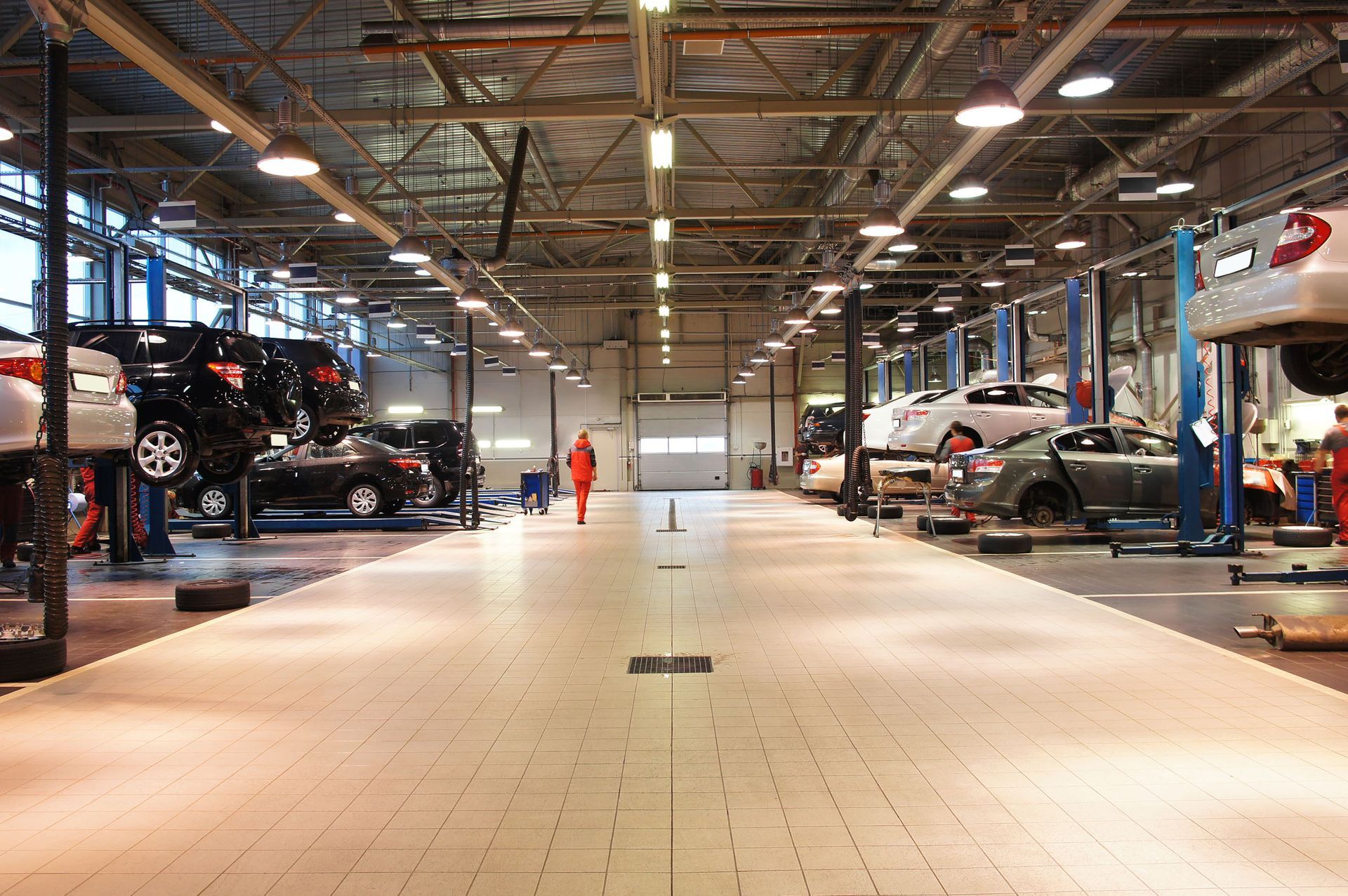
For any automotive repair shop, fleet garage, or dedicated service facility, the workshop is only as good as the machinery inside it. From massive lifting systems to highly sensitive computerized calibration bays, your shop is packed with specialized tools designed to handle immense weight, extreme pneumatic pressure, and intricate digital data. However, even the most rugged industrial machinery wears down over time. When a vital piece of gear begins to malfunction, shop owners often face a critical dilemma: do you attempt a quick, cost-effective DIY fix, or do you halt operations to bring in an expert?
Understanding the boundaries of your mechanical expertise is essential for keeping your garage running smoothly. While tightening a loose bracket or wiping down an optical lens is well within the capabilities of an experienced mechanic, deeper structural, hydraulic, and digital system failures require specialized training. Navigating the complexities of heavy workshop machinery demands a strict respect for safety, specialized diagnostic tools, and precise calibration.
The scope of modern service facilities is massive, reflecting an industry that relies heavily on highly sophisticated machinery. According to Research and Markets, the valuation of the global automotive garage equipment sector reached approximately $11.4 billion in 2025, with projections indicating it will expand at an annual growth rate of 8.4% to climb to a staggering $23.6 billion by 2034. This massive market footprint underscores just how technologically advanced and high-stakes our workshop gear has become. With billions of dollars invested globally in advanced tools, trying to fix this expensive, high-tech auto equipment without expert training can result in catastrophic financial losses, destroyed machinery, and severe workplace hazards.
Managing Hydraulic and Structural Risks During Lift Repairs
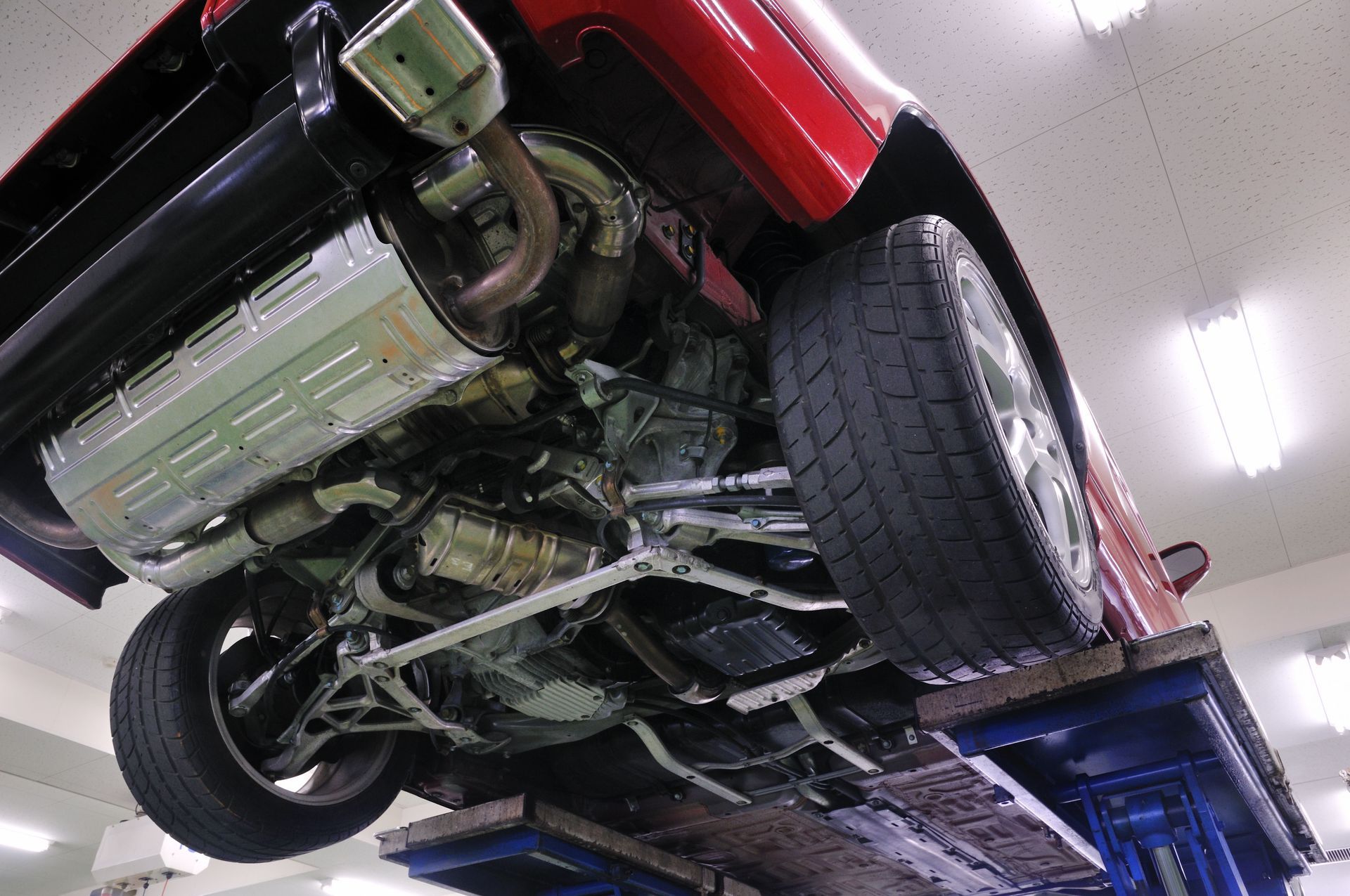
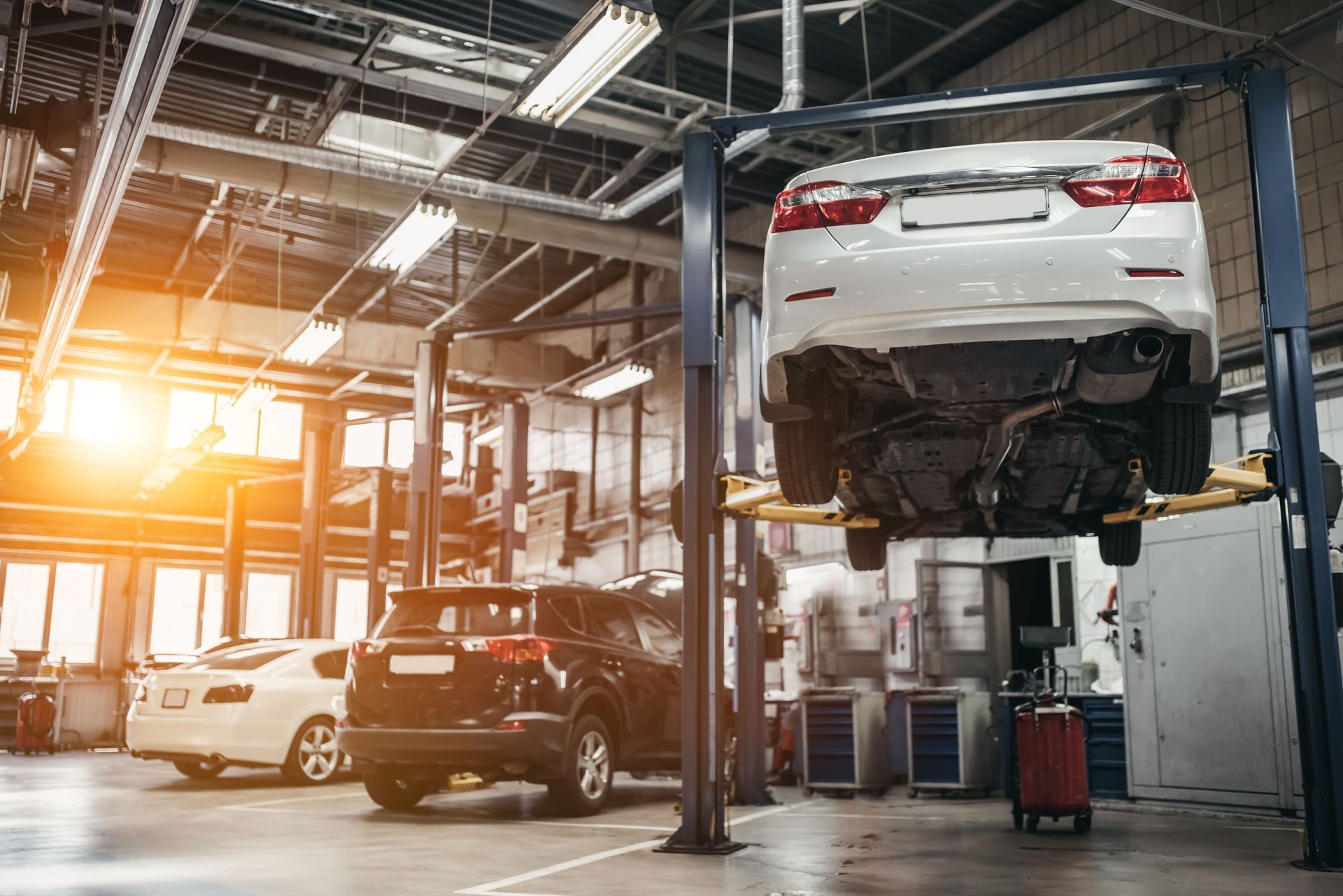
Vehicle lifts are the literal backbone of daily garage operations, holding multi-ton trucks and cars directly over your technicians' heads. Because these units operate under thousands of pounds of hydraulic pressure per square inch and endure constant structural stress, any component failure can be catastrophic. Common signs of trouble include visible fluid leaks, jerky lifting movements, unusual whining noises from the pump, or a lift that slowly drifts downward under a load.
Treating lift repairs as a simple DIY weekend project is incredibly dangerous. Simply tightening a hydraulic fitting while the system is under pressure can cause a high-velocity fluid injection injury, which occurs when hydraulic fluid pierces human skin and causes severe internal tissue damage. Furthermore, adjusting safety latches or replacing cables without specialized tensioning tools can lead to uneven lifting and sudden vehicle drops.
Entrusting lift repairs to a certified professional is non-negotiable for shop safety and legal liability. Certified technicians possess the heavy-duty equipment required to safely depressurize lines, hone cylinder walls, and install manufacturer-approved, weight-rated seals. They also perform vital load-testing procedures after the work is complete, ensuring the auto equipment can safely handle its maximum rated capacity before your team ever steps underneath it again.
Calibrating Precision Sensors During Alignment Machine Servicing
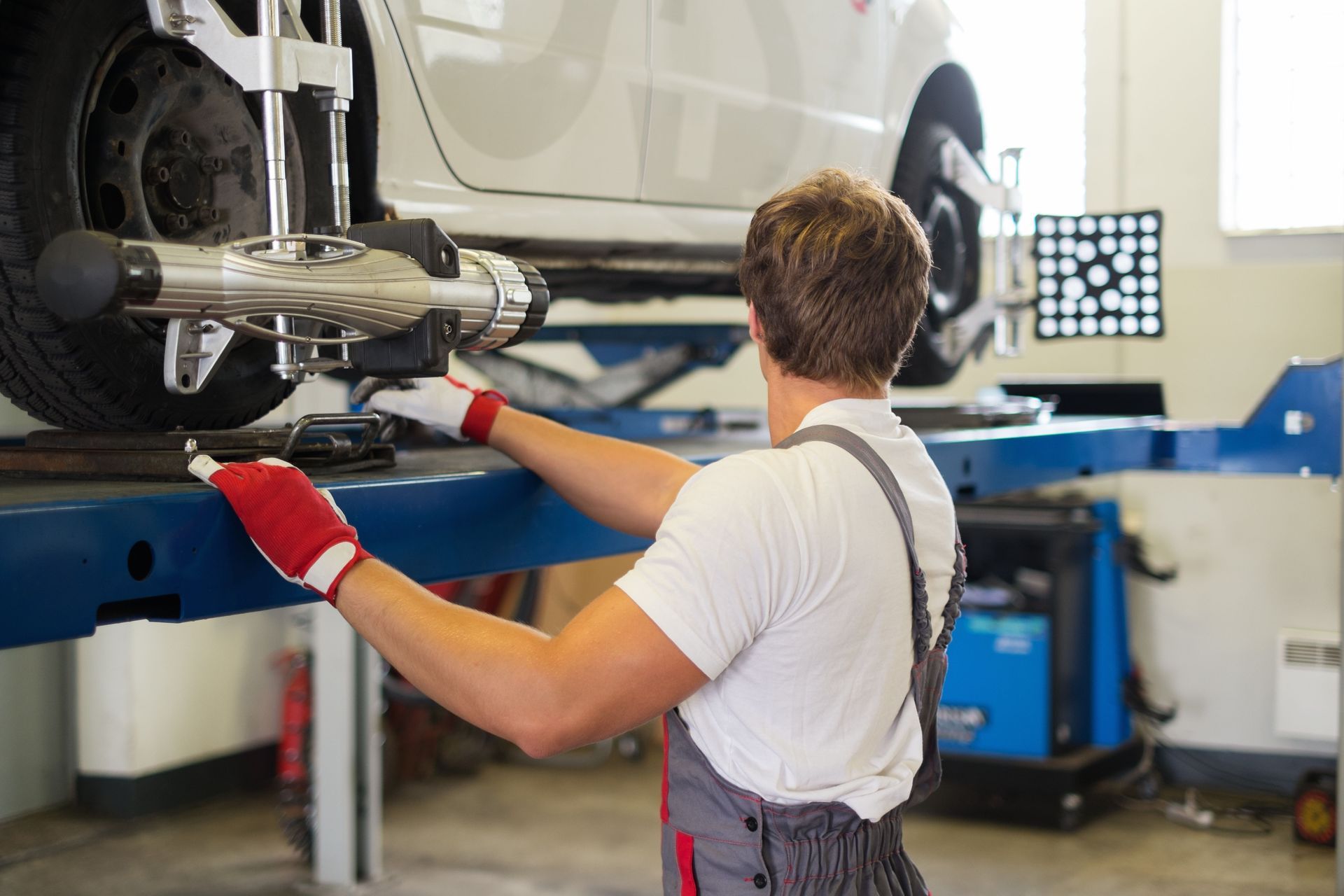
Modern wheel alignment systems are marvels of optical and electronic engineering, utilizing high-resolution cameras, digital targets, and complex software to measure angles down to a fraction of a millimeter. If an alignment machine slips out of spec due to a minor physical impact or an electronic glitch, your shop will begin outputting flawed alignments, leading to rapid tire wear for your customers and a major hit to your shop's reputation.
Attempting alignment machine servicing without factory training is a recipe for frustration. The digital cameras and internal gyroscopes inside these systems require highly specific master calibration bars and proprietary software sequences to reset. Guessing your way through a calibration screen or attempting to manually adjust optical sensors will only compound the error, rendering the entire system useless.
Bringing in a factory-authorized specialist for your alignment machine servicing ensures that the unit is brought back into perfect compliance with original equipment manufacturer (OEM) specifications. Professionals can quickly diagnose whether an issue stems from a bent target, a degraded camera sensor, or a software communication error. Investing in expert servicing protects your auto equipment from permanent damage and guarantees that your alignment readings are flawless.
Overhauling High-Pressure Pneumatics During Tire Changer Maintenance
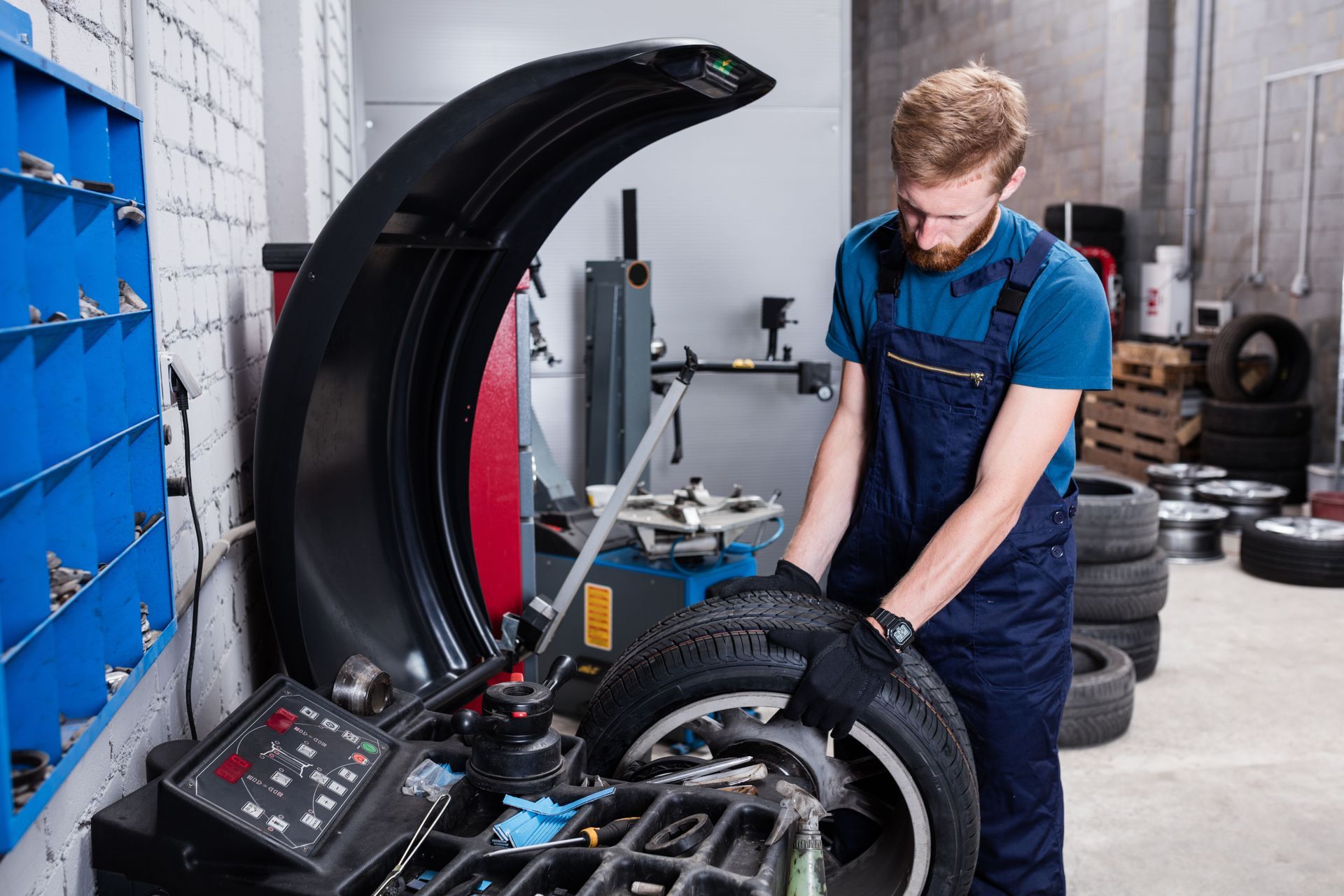
Tire changers endure a brutal operational cycle, constantly battling stiff sidewalls, rusted beads, and massive tires. These machines combine high-torque electric motors with powerful pneumatic bead breakers and clamping cylinders that exert tremendous force. When a tire changer begins losing clamping power, leaking air internally, or failing to seat beads properly, your tire bay grinding to a halt ripples through your entire workflow.
While basic tire changer maintenance like draining moisture traps and lubricating slide ways should be done in-house, deeper pneumatic overhauls are a different story. The internal multi-way control valves and air cylinders feature intricate seal geometries that are easily damaged during amateur reassembly. An improperly repaired bead breaker cylinder can violently fail under pressure, projecting metal fragments or snapping a technician's hand.
Professionals who specialize in tire changer maintenance bring specialized diagnostic pressure gauges to isolate internal air bypass leaks instantly. They ensure that regulator settings are precisely adjusted to maximize power without exceeding safe operational limits. Relying on professional service ensures your tire changers run smoothly without damaging expensive custom wheels or endangering your staff.
Eliminating Vibration Variables During Wheel Balancer Repairs
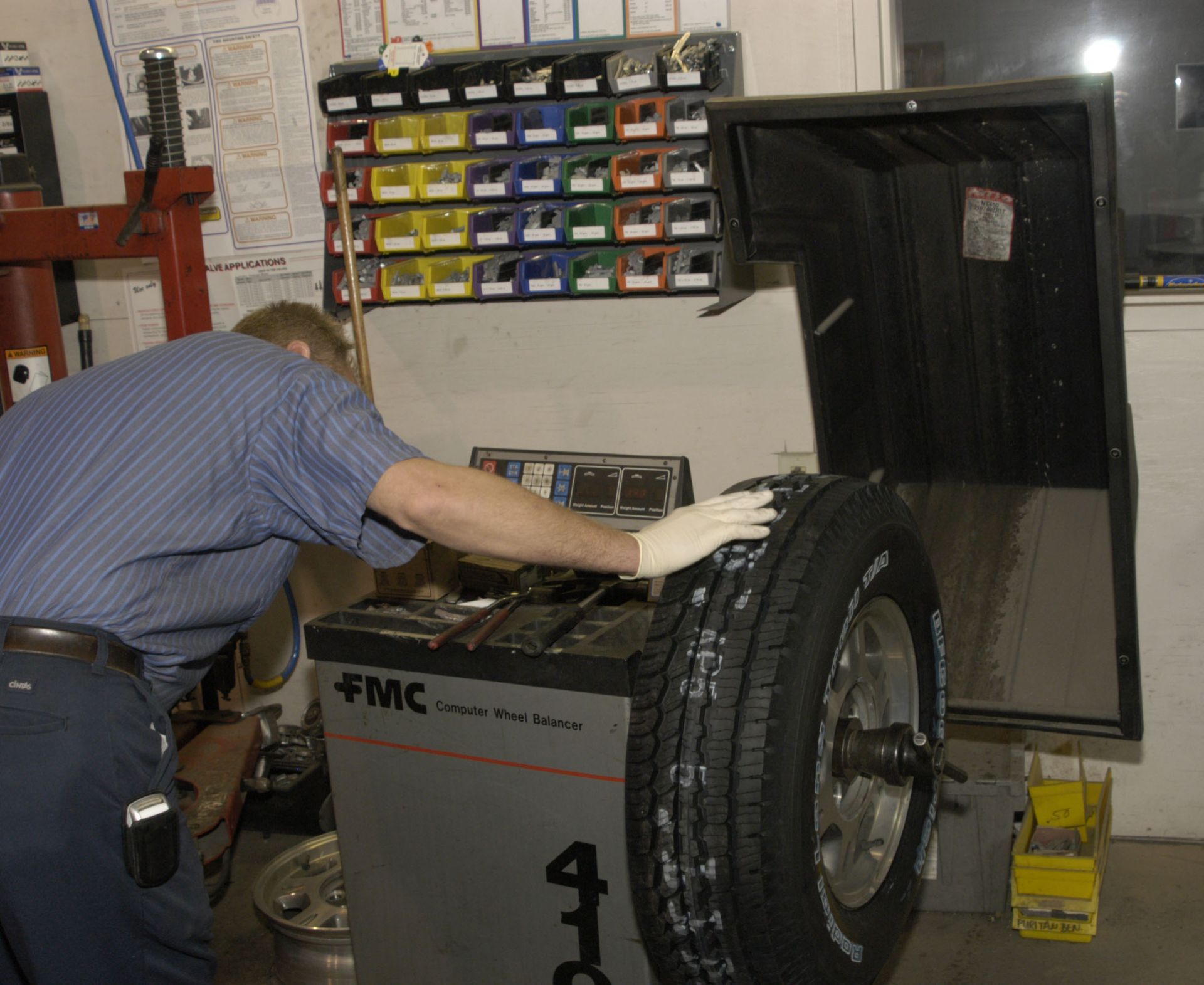
A wheel balancer must detect microscopic weight discrepancies on a spinning assembly to ensure a smooth ride at highway speeds. If a balancer's internal piezo-electric force transducers or data arms become uncalibrated, the machine will "chase weights," instructing your technician to add weight after weight without ever achieving a true balance.
When your machine begins giving inconsistent readouts, attempting DIY wheel balancer repairs will almost certainly worsen the problem. The sensor networks inside this auto equipment are incredibly sensitive to torque specs; tightening an internal mounting bolt just a fraction too much can permanently crush a sensor or skew the calibration matrix entirely.
Certified technicians handle wheel balancer repairs using specialized master calibration weights and electronic diagnostic software that reads real-time sensor outputs. They can instantly determine if an erratic reading is caused by a shaft runout issue, a failing control board, or worn spindle threads. Professional repair restores the pinpoint accuracy required to keep your customers' vehicles driving smoothly and safely.
Safeguarding Complex Circuitry During Diagnostic Equipment Repairs
Modern vehicles are rolling computers, and troubleshooting them requires advanced diagnostic equipment like standalone scan tools, oscilloscope modules, and smoke machines. When this high-tech gear fails to boot up, loses communication with vehicle control units, or suffers from broken hardware ports, your technicians are essentially left working in the dark.
Because these diagnostic units are highly integrated electronic devices, attempting amateur diagnostic equipment repairs can instantly ruin thousands of dollars of tech. A single static discharge from an ungrounded hand can fry an internal processor, and using the wrong voltage adapter during a power supply repair can permanently melt a motherboard.
Working with professional electronics repair technicians ensures your sensitive scanning tools are serviced in clean, electrostatically safe environments. These experts have access to proprietary firmware patches, specialized soldering equipment for micro-components, and exact OEM replacement parts. Professional repair ensures your diagnostic tools maintain secure data connections with vehicle networks without risking data corruption or total hardware failure.
Maintaining safe, efficient, and reliable auto equipment is the definitive cornerstone of running a successful and profitable automotive business. While your team is highly skilled at repairing passenger vehicles, industrial workshop machinery operates under an entirely different set of mechanical, pneumatic, and electronic principles. Leaving complex repairs to untrained hands risks your staff's safety, voids equipment warranties, and exposes your business to massive financial and legal liability.
When your vital machinery shows signs of advanced wear, erratic behavior, or mechanical failure, do not leave the outcome to chance. At Central Equipment, we specialize in providing factory-authorized repair, maintenance, and precise calibration services that keep your shop running at peak performance. Contact us today to schedule your comprehensive
auto equipment inspection and ensure your workshop remains safe, compliant, and highly productive.