July 20, 2026
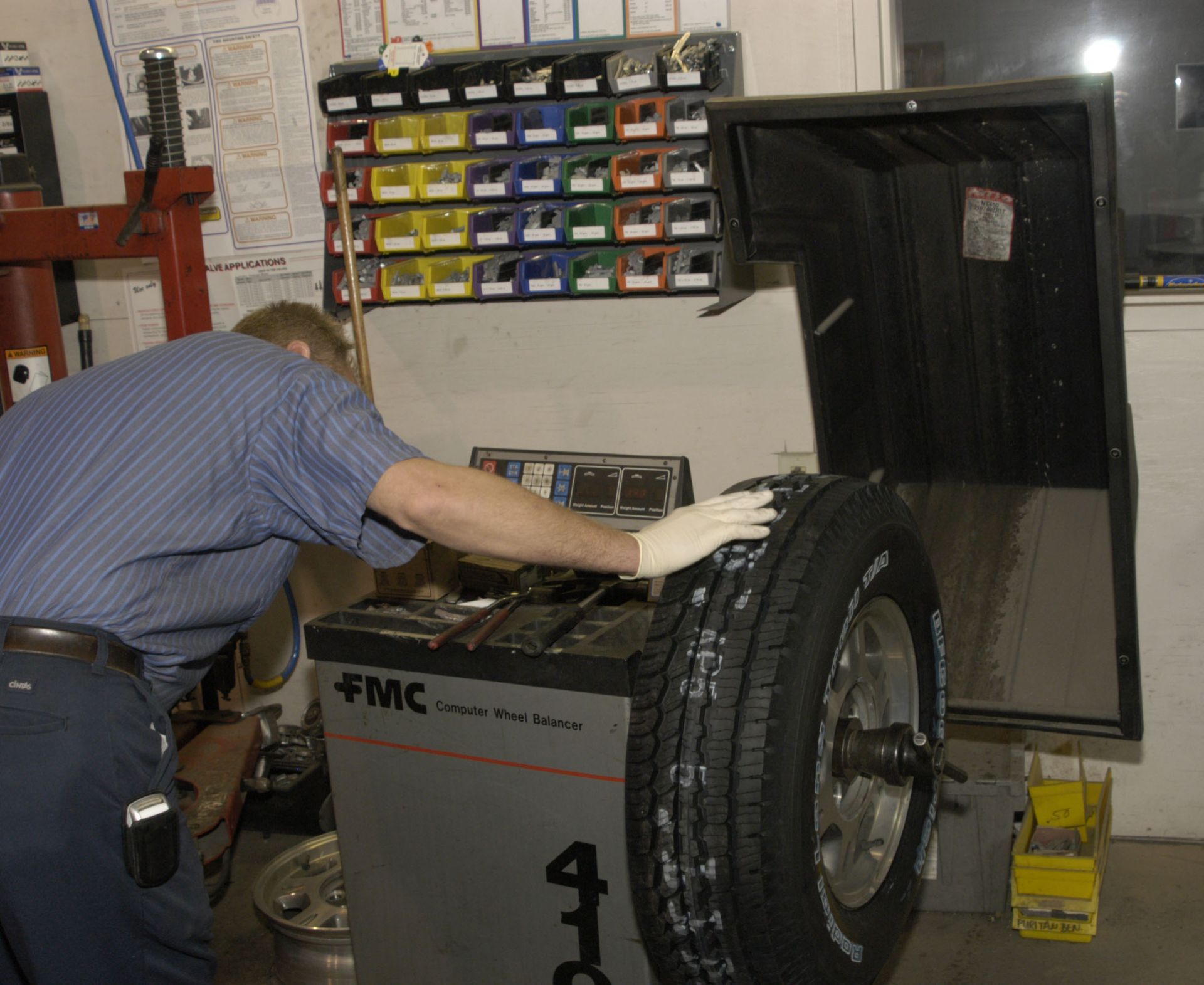
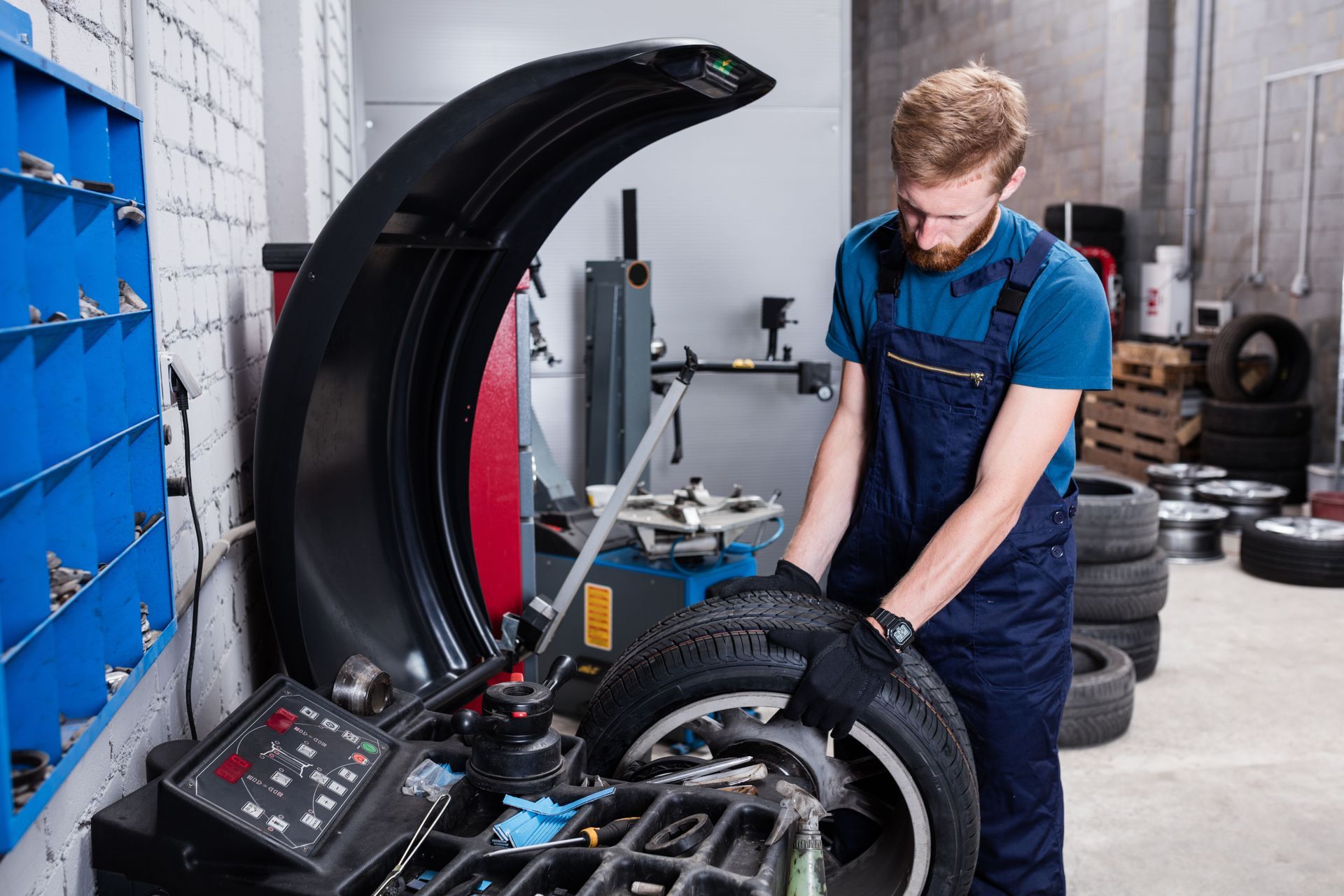
Understanding the signs that your wheel balancer may be providing inaccurate readings is crucial for ensuring vehicle safety and performance. Tire balancing is a fundamental part of vehicle maintenance, and incorrect readings can lead to several issues. Modern wheel balancers are critical tools in the automotive industry, particularly for maintaining vehicle stability and safety. However, even advanced equipment can falter, and being aware of the signs can help mitigate risks, especially when wheel balancer repairs may be needed.
Visible Wear on Tires
Visible tire wear is often the first indication that your wheel balancer may not be accurate. Uneven tire wear patterns are a clear sign of imbalances. These patterns typically appear when weight is unevenly distributed around the wheel, causing parts of the tire to wear more than others. Similarly, early tread wear can result from imbalances, reducing the lifespan of your tires significantly. Increased tire noise can also hint at imbalances, which may point to the need for wheel balancer repairs when the equipment is no longer reading correctly.
A frequent need for tire replacement should raise concerns about the accuracy of your wheel balancer. Tires that require replacement prematurely often indicate a persistent underlying issue. This is not only a costly inconvenience but can also pose safety risks due to less effective tires. Additionally, wheel vibration is another clear symptom. An improperly balanced tire will cause vibrations while driving, and recurring vibration issues may suggest that wheel balancer repairs should be completed before more tires are affected.
The importance of proper tire balancing cannot be overstated. Balanced wheels ensure a smooth ride and even tire wear. The repercussions of neglecting wheel balance are far-reaching, impacting not just tire wear but overall vehicle performance. Thus, vigilance in detecting these initial signs can save both money and enhance safety. Regular inspections and prompt wheel balancer repairs are paramount in addressing tire balance issues to protect your investment.
Steering Problems
The accuracy of your wheel balancer can directly impact steering performance. One of the first symptoms experienced with an imbalanced wheel system is vehicle pulling to one side. This occurs when unequal weight distribution affects the vehicle’s alignment, causing it to drift left or right when the steering wheel is supposed to be straight. An unstable steering wheel at high speeds is another red flag, where drivers may notice increased difficulty in maintaining a steady course. When these issues continue after basic service, wheel balancer repairs may be necessary to restore reliable readings.
Difficulty in maneuvering is often attributed to incorrect wheel balancing. This manifests as increased resistance when making turns, requiring more effort from the driver. Such scenarios may seem minor but can lead to dangerous situations, especially during sudden evasive maneuvers. Additionally, increased steering effort is more than just a nuisance; it suggests underlying issues with the vehicle's wheel balance. Addressing these problems promptly through proper diagnostics and wheel balancer repairs is essential to restore ease of steering.
Sudden steering vibrations are also symptomatic of imbalanced tires. These vibrations are often felt more intensely during acceleration or when reaching higher speeds. Not only do they affect comfort, but they also compromise driving precision. Overall, steering issues linked to wheel imbalance demand immediate attention. By resolving them early with professional service and wheel balancer repairs, drivers enhance their safety on the road and maintain better control of their vehicles.
Inaccurate Reading Symptoms
Symptoms of inaccurate wheel balancer readings are diverse and can be subtle. One key symptom is the discrepancy in wheel weight measurements. These discrepancies can occur over time as the balancer’s sensors degrade or lose calibration accuracy. If weights added during balancing appear inconsistent across the wheels, it's a sign there may be issues with the balancer's accuracy. Additionally, fluctuating balancer readings often indicate problems with the equipment itself and may require wheel balancer repairs.
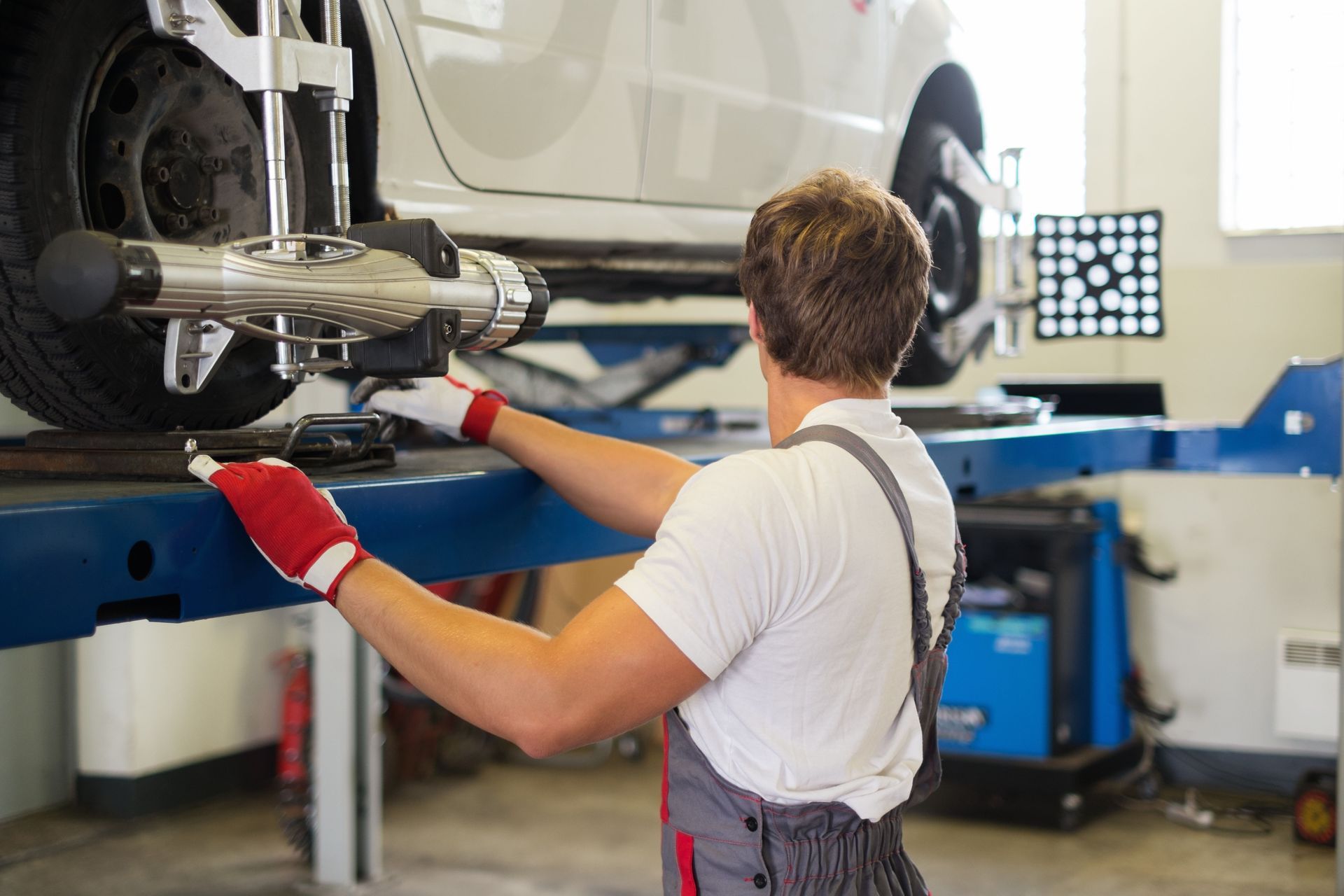
Inconsistent alignment results are another warning sign of potential inaccuracies in wheel balancing. If realignment is frequently required or if aligning the vehicle isn't effectively resolving alignment issues, the balancer could likely be the problem.
Unexplained wheel wobble may also be attributed to inaccuracies in balancer readings. While some wobble can be corrected through routine alignment, persistent wobbling suggests deeper issues. A frequent need for rebalancing is likewise a symptom of inaccuracies that should be investigated through wheel balancer repairs.
According to Industry Research, over 25,000 tire service centers in the U.S. install more than 2,000 balancing weights annually per location. This volume of work highlights how crucial accurate readings are for daily operations. Competent wheel balancers save time and maintain service efficiency by reducing unnecessary repeat work. Therefore, ensuring the balancer’s accuracy is vital for both business efficacy and customer satisfaction. Regular equipment checks and timely wheel balancer repairs should be routine practice to maintain operational standards.
Negative Impact on Vehicle Performance
Incorrect wheel balance can have detrimental effects on vehicle performance. Reduced fuel efficiency is often an overlooked consequence of imbalanced wheels. Imbalances increase rolling resistance and require the engine to work harder to maintain speed, consequently affecting fuel consumption. Similarly, decreased ride comfort is a direct result of this. Noise and vibration caused by imbalances detract from the driving experience, making wheel balancer repairs important when poor readings are affecting performance.
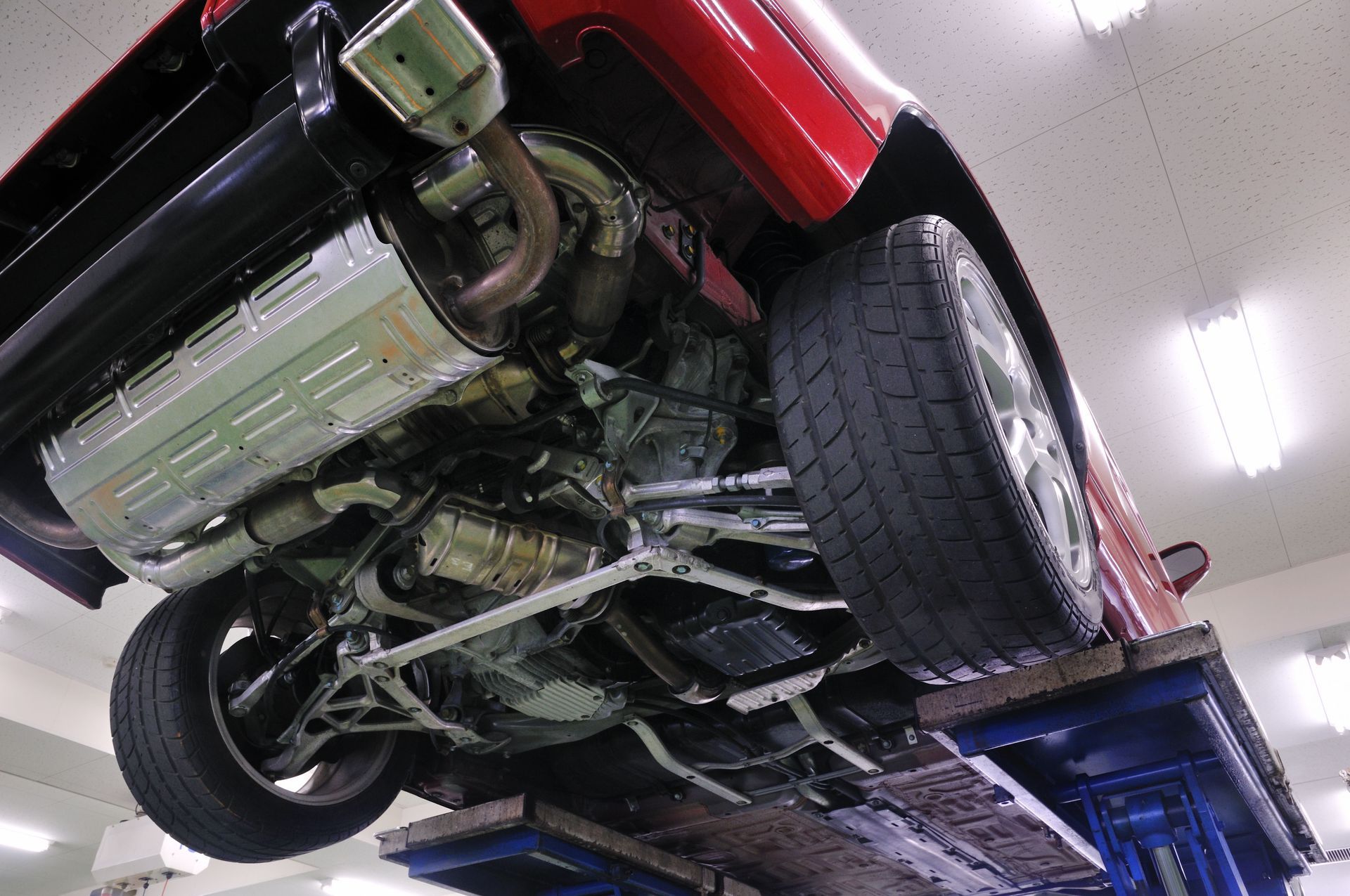
Lowered vehicle stability is another critical result of improper wheel balancing. This instability can manifest during cornering or sudden stops, posing significant safety threats. Additionally, imbalances lead to increased wear on suspension components, demanding more frequent repairs and replacements. This wear impacts not only maintenance costs but also the vehicle's longevity. Ensuring proper wheel balance and scheduling wheel balancer repairs when needed is therefore vital for protecting the vehicle's structural integrity.
Strange noises emanating from the wheels are also indicative of balance issues. These could range from humming to louder, more concerning sounds, often signaling urgent attention. Addressing balance issues ensures these noises are eliminated, restoring confidence in vehicle operation. Comprehensive checks of wheel balancing can prevent these adverse effects and sustain optimal performance. Maintenance of vehicle balance, supported by accurate diagnostics and wheel balancer repairs, results in both safer and more cost-effective operation.
Diagnostic and Preventive Measures
Implementing diagnostic and preventive measures can significantly enhance the accuracy of wheel balancing. Regular maintenance of the balancer itself is a fundamental step in ensuring accurate performance. This includes routine inspections, cleaning, and calibrating, which keep the tool in its best condition. Use of diagnostic tools designed to detect imbalances before they manifest in visible wear signs can also be very effective. By proactively addressing these issues, maintenance becomes more efficient and less costly.
Consultations with professionals, such as vehicle specialists or experienced technicians, provide insightful feedback. These experts offer valuable advice on maintaining the equipment and diagnosing complicated issues. Scheduled equipment calibration benefits overall performance, ensuring readings remain consistent and reliable. Calibration should be aligned with the manufacturer’s recommended schedule to maintain accuracy. Following a structured maintenance routine prevents small issues from escalating into significant problems.
Adhering to manufacturer guidelines is key in safeguarding against performance inaccuracies. Manufacturers provide detailed instructions tailored to their equipment for optimal use and longevity. These guidelines also cover recommended maintenance practices, software updates, and operational tips. Regular adherence can prevent many common issues from arising. Keeping these guidelines in mind will help the wheel balancer work efficiently and provide accurate, trustworthy readings.
By recognizing and addressing the signs of incorrect readings from your wheel balancer, you support optimal vehicle performance, enhanced safety, and increased longevity of your tires. Regular maintenance and proper diagnostics are essential for identifying discrepancies early and mitigating potential risks. As tire service centers across the U.S. handle millions of balancing weights annually, the importance of accuracy in wheel balancing is evident. By performing routine diagnostics and following preventive measures, vehicle owners and service providers can significantly improve balancing efficiency and vehicle safety. Ultimately, a proactive approach to maintenance helps drivers and providers reduce repeat issues, protect equipment, and keep vehicles operating smoothly. Contact Central Equipment today to learn more.