March 25, 2026
Choosing the right tools and machinery is one of the most important decisions any shop owner can make. Whether you run a small independent garage or a large commercial facility, the quality and functionality of your equipment directly impact efficiency, safety, and customer satisfaction. With so many options available on the market, selecting the right setup can feel overwhelming, especially when balancing budget, space, and long-term goals.
The demand for advanced tools continues to rise as the industry evolves. According to HTF, auto equipment solutions (including diagnostic tools, lifts, compressors, etc.) are projected to grow at about 9.2% CAGR from 2025 to 2033. This growth reflects how essential modern equipment has become for staying competitive. In this article, we'll walk through the key factors to consider when choosing the right auto equipment for your shop.
Evaluate Your Shop's Needs and Services
Before investing in any equipment, it's important to take a close look at the services your shop currently offers and the ones you plan to add in the future. A general repair shop will have very different needs compared to a specialized facility focusing on transmissions, collision repair, or diagnostics.
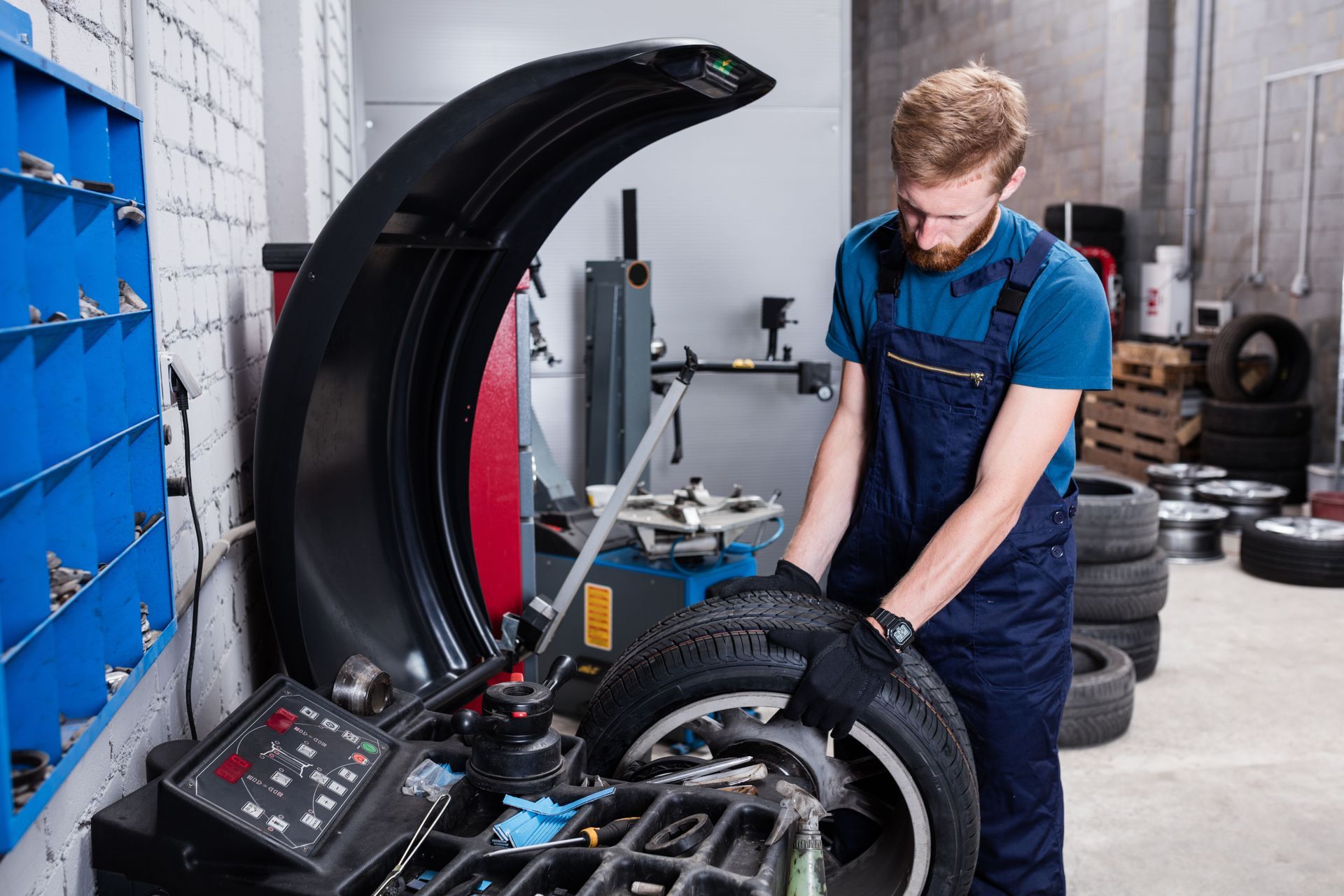
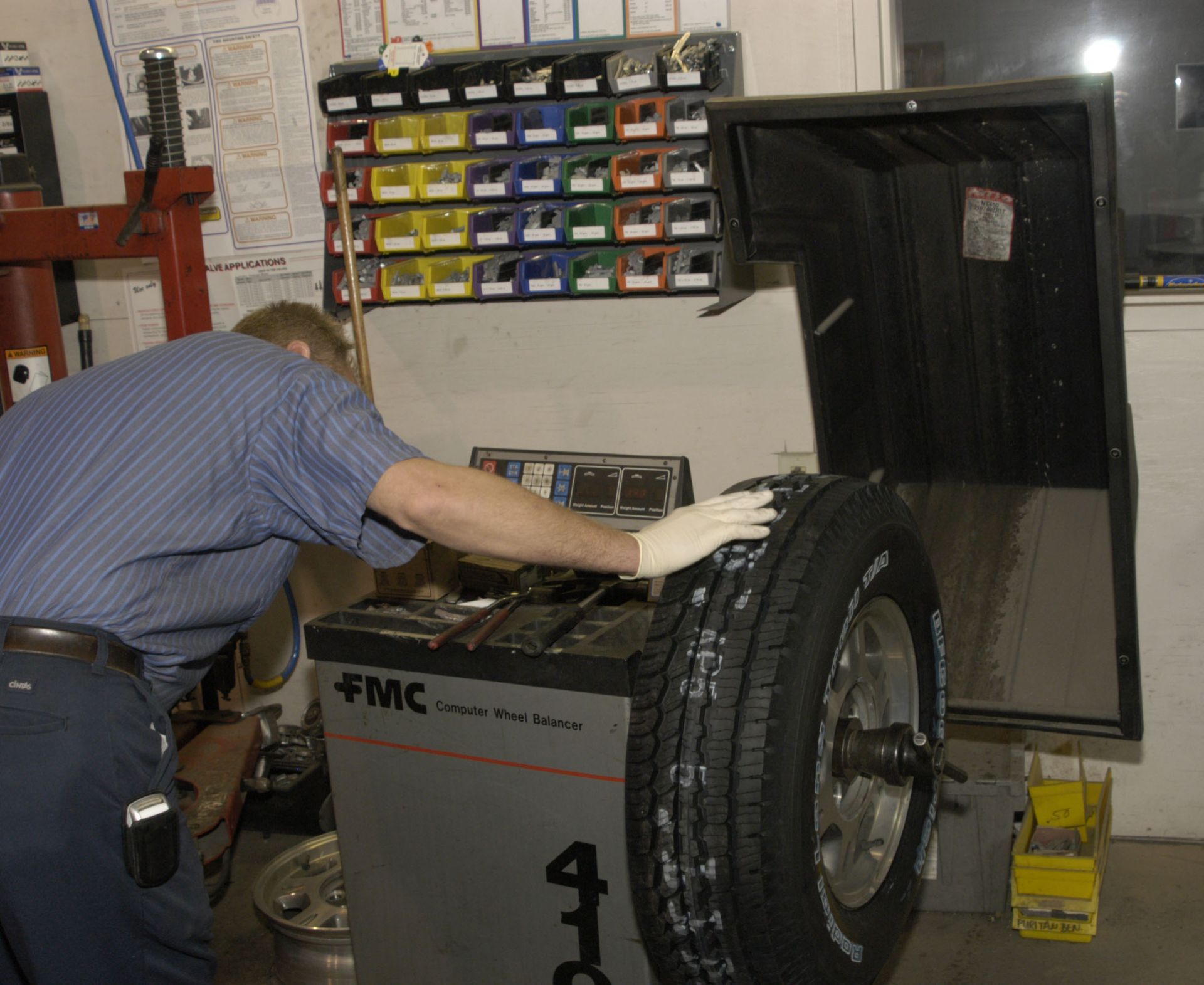
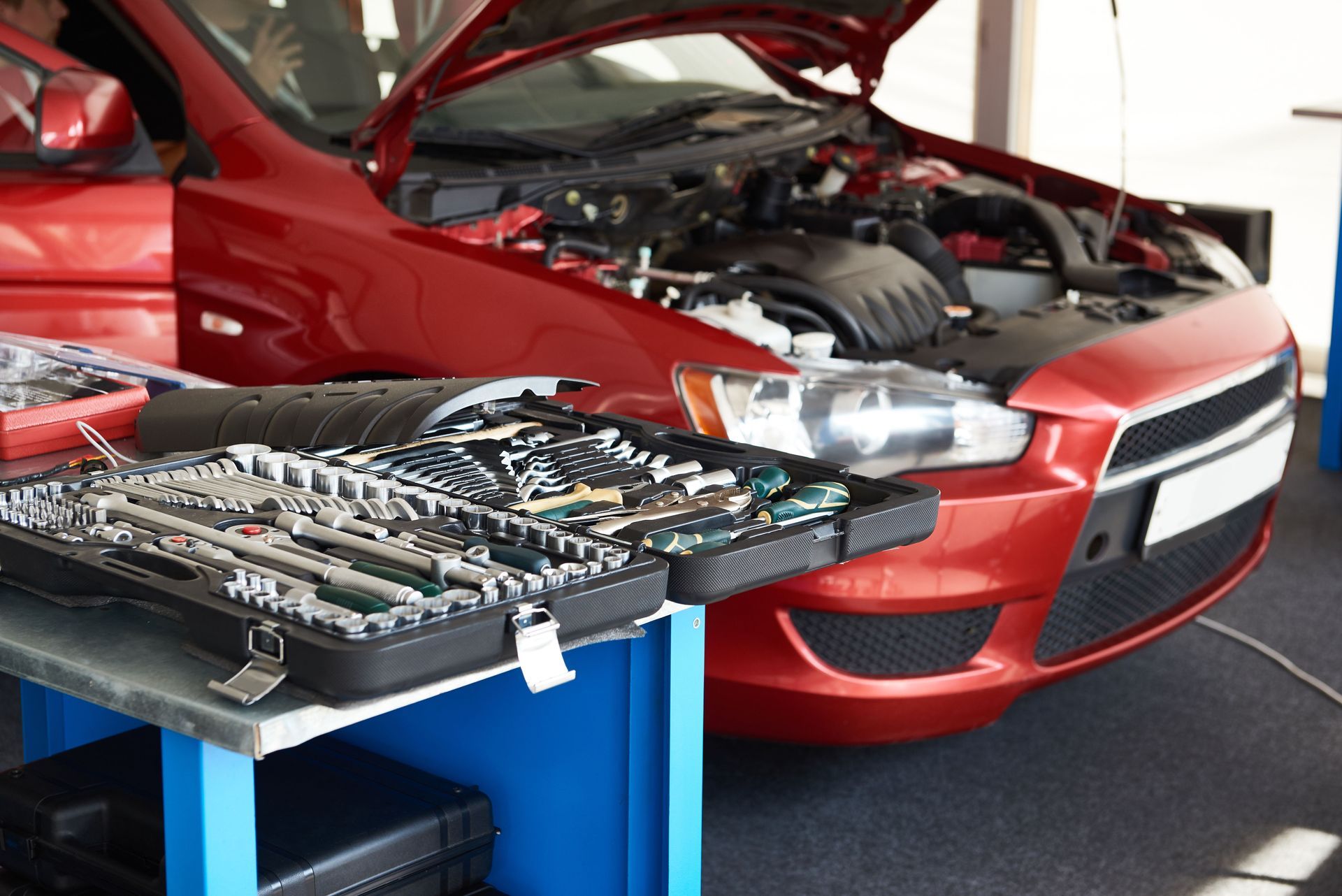
Start by identifying your most common jobs. If your shop handles a high volume of tire services, investing in quality tire changers and wheel balancers is a priority. If diagnostics and electrical work are central to your business, advanced scan tools and testing equipment should be at the top of your list.
Thinking ahead is just as important as evaluating your current workload. If you plan to expand your services, choosing versatile equipment that can adapt to new demands will help you avoid costly upgrades later.
Consider Your Available Space and Layout
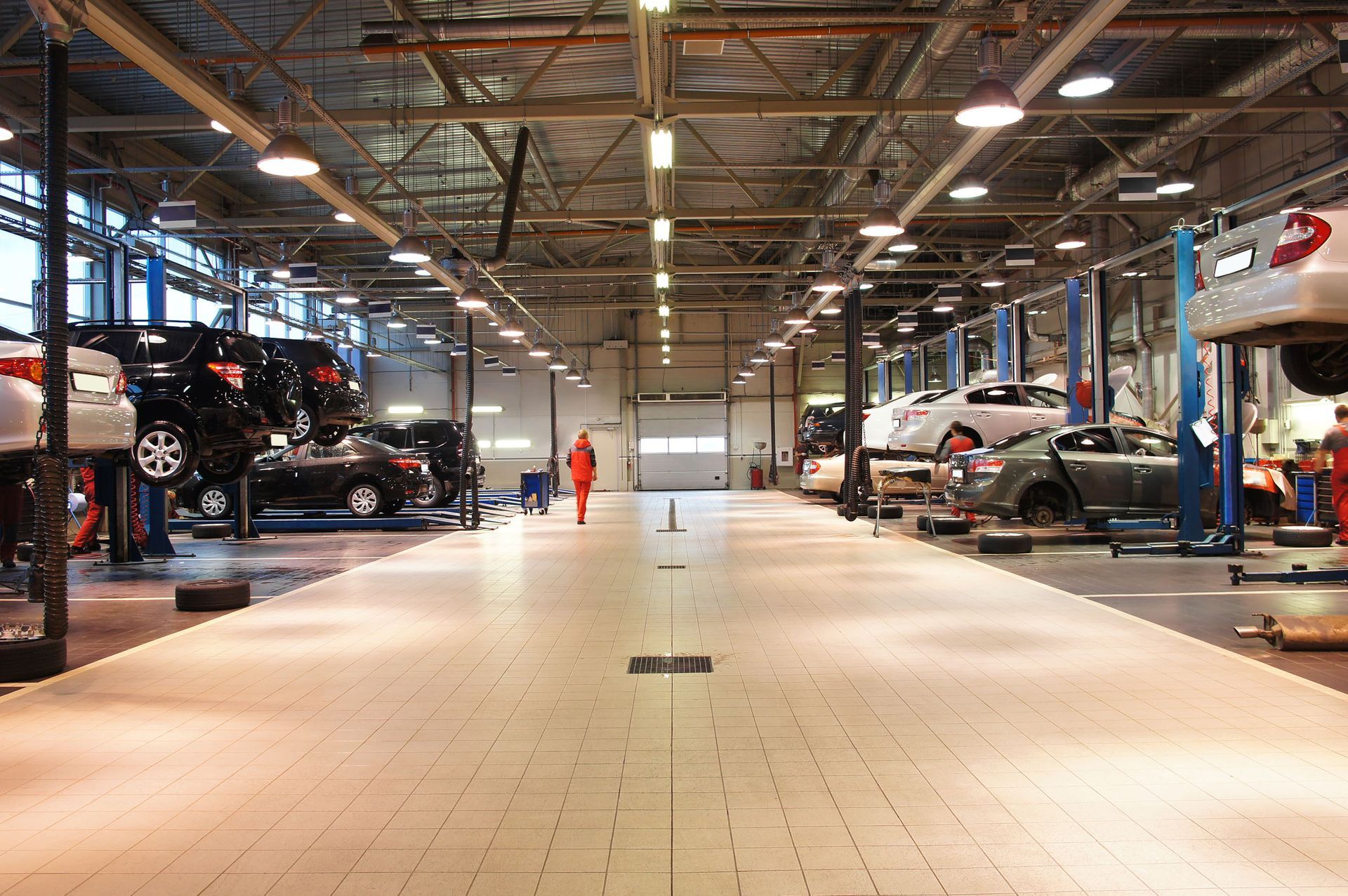
Space plays a major role in determining what equipment you can realistically accommodate. Even the best tools won't be useful if they don't fit comfortably within your shop's layout or disrupt workflow.
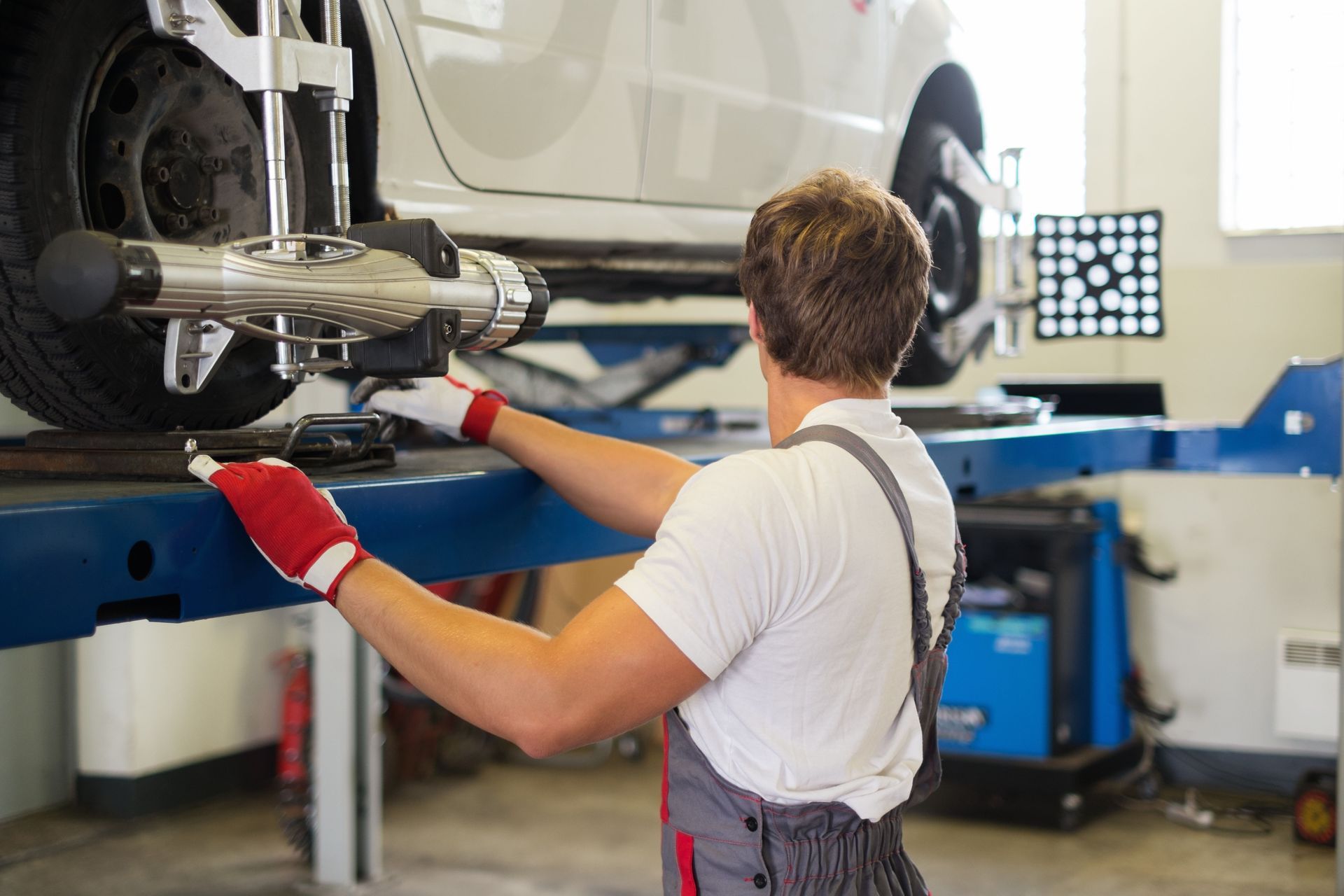
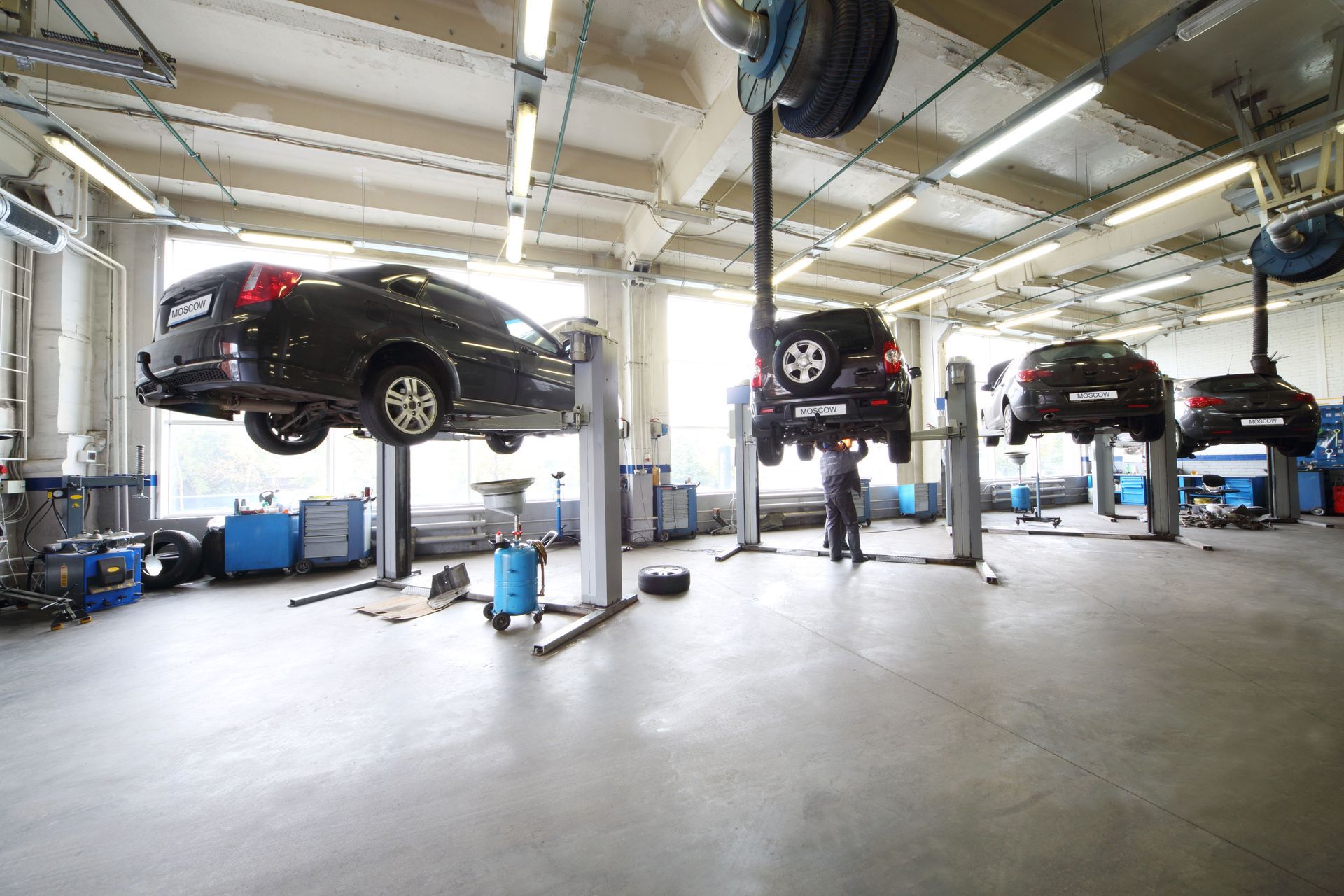
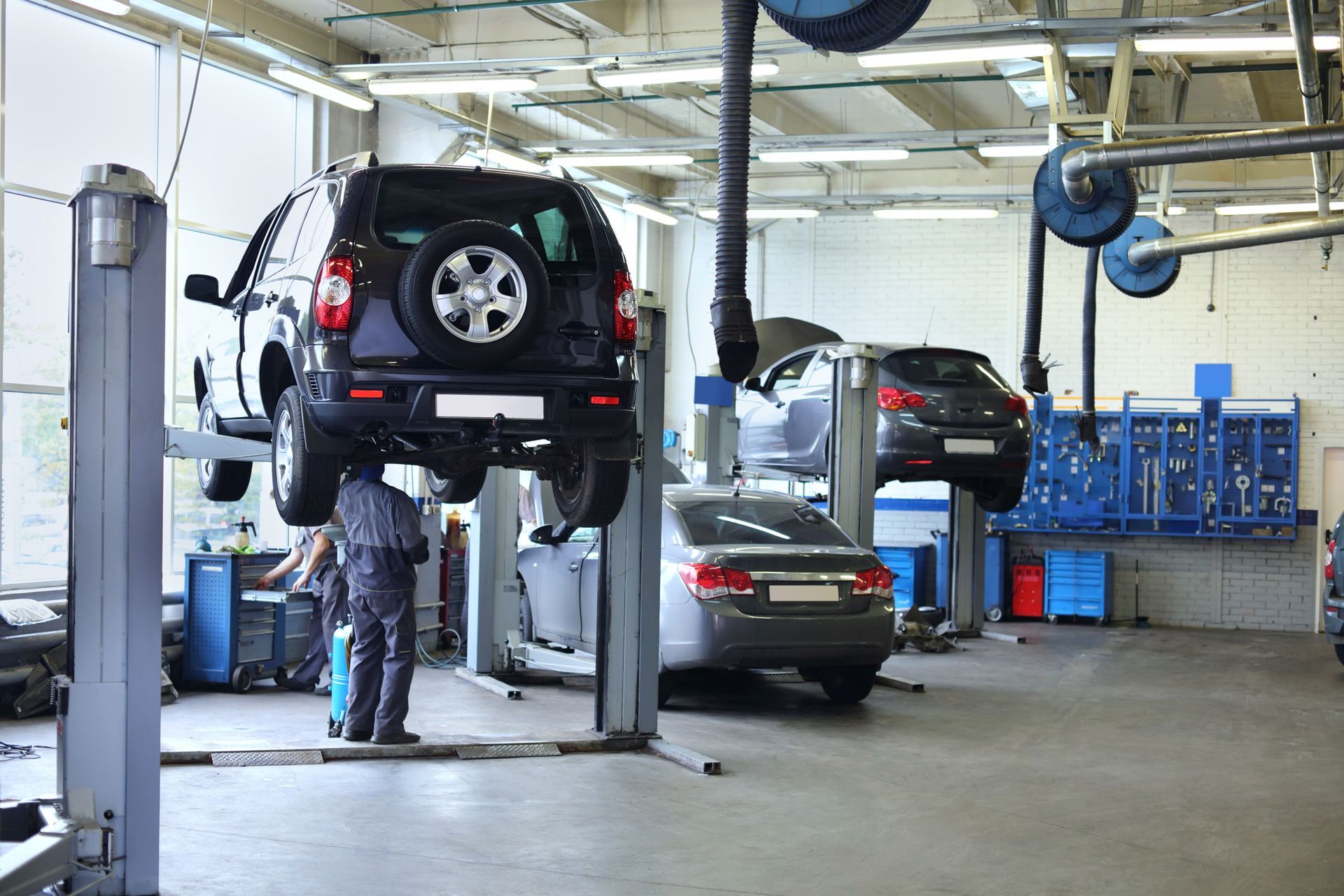
Measure your workspace carefully and map out where each piece of equipment will go. Consider ceiling height when selecting vehicle lifts and account for clearance around large machines like alignment racks or compressors. A well-organized layout supports smoother operations and reduces the risk of accidents.
It's also worth thinking about how equipment placement affects efficiency. Position frequently used tools in easily accessible areas to reduce unnecessary movement and downtime throughout the day.
Prioritize Quality and Durability
When it comes to auto equipment, durability is one of the most important factors to consider. High-quality equipment may come with a higher upfront cost, but it often pays off in the long run through better performance and fewer repairs.
Look for equipment made from strong, reliable materials and backed by reputable manufacturers. Reading reviews and seeking recommendations from other shop owners can provide valuable insights into how well certain products perform over time.
Investing in durable tools helps minimize downtime caused by breakdowns. It also contributes to a safer work environment, as well-built equipment is less likely to fail under pressure.
Compare Features and Technology
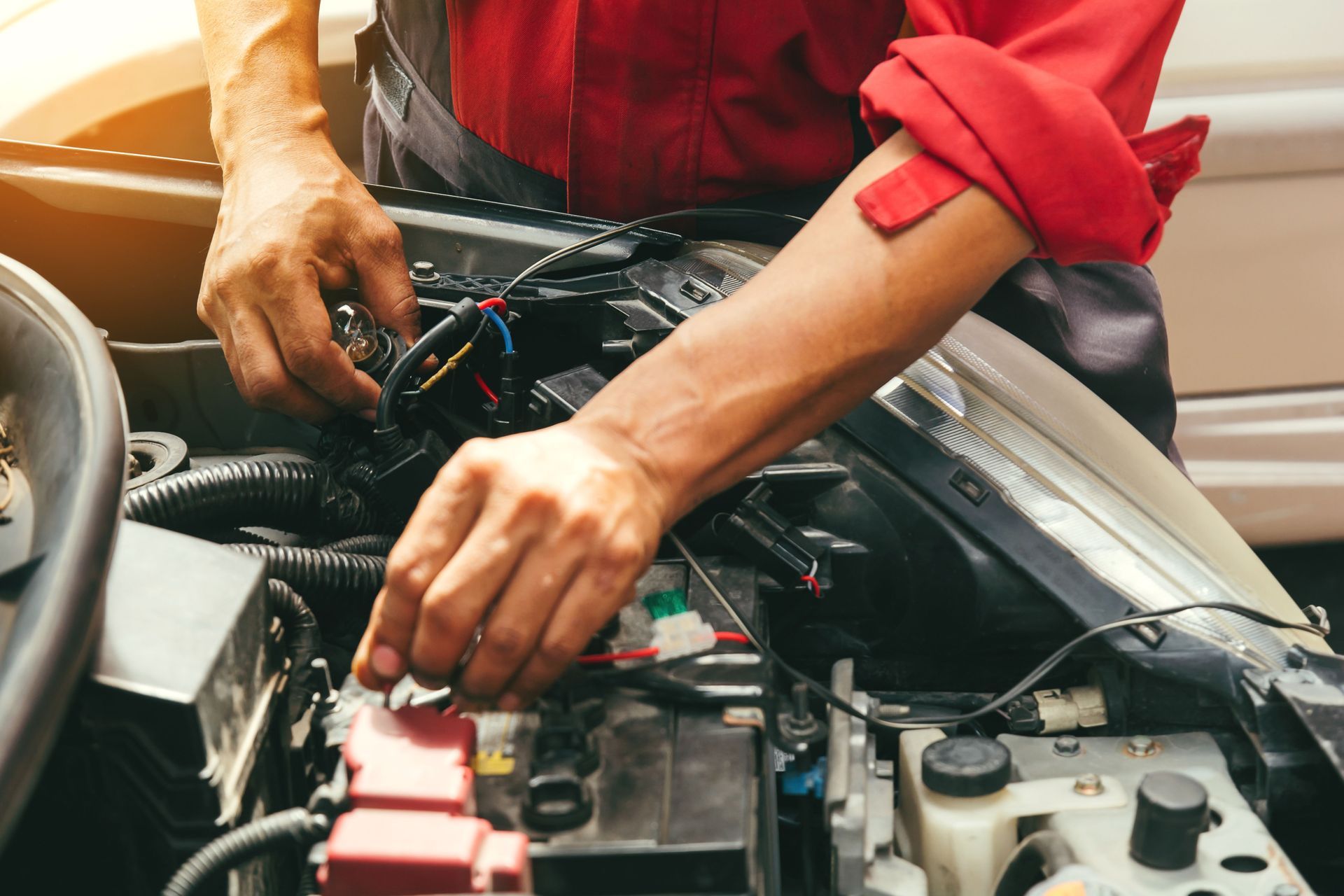
Modern shops rely heavily on advanced technology to diagnose and repair vehicles efficiently. When comparing equipment options, take the time to evaluate the features that come with each product.
For example, diagnostic tools with updated software and broad vehicle compatibility can significantly improve accuracy and speed. Similarly, lifts with advanced safety features and automated controls can make daily operations smoother and more secure.
While it may be tempting to choose the most feature-packed option available, focus on what will actually benefit your workflow. The right auto equipment should enhance productivity without adding unnecessary complexity.
Set a Realistic Budget and Financing Plan
Budgeting is a critical step in selecting equipment for your shop. While it's important to invest in quality, it's equally important to stay within your financial limits.
Start by determining how much you can comfortably spend without straining your business. Then, prioritize essential equipment before considering additional upgrades or optional features.
Many suppliers offer financing options, which can make it easier to acquire high-quality tools without a large upfront payment. Leasing or payment plans can help you spread out costs while still gaining access to the equipment you need.
Balancing cost and value is key. The goal is to make smart investments that support your shop's growth over time.
Review Safety Standards and Compliance
Safety should always be a top priority when selecting equipment for your shop. Properly designed and certified tools help protect both your technicians and your customers' vehicles.
Look for equipment that meets industry safety standards and includes built-in safety features such as locking mechanisms, emergency shut-offs, and overload protection. These features play a critical role in preventing accidents and maintaining a secure work environment.
It's also important to stay informed about local regulations and compliance requirements. Using equipment that meets these standards helps you avoid potential fines and keeps your shop operating smoothly.
Choose Reliable Brands and Suppliers
The brand and supplier you choose can have a significant impact on your overall experience. Established manufacturers often provide better support, warranties, and access to replacement parts.
Working with a trusted supplier also gives you the opportunity to ask questions and receive guidance on selecting the right tools for your needs. Many suppliers offer training resources and ongoing support, which can be especially helpful when introducing new equipment into your shop.
Building a relationship with a reliable supplier can lead to long-term benefits, including faster service and better pricing on future purchases.
Plan for Maintenance and Support
Even the best equipment requires regular maintenance to perform at its best. When selecting tools for your shop, consider how easy they are to maintain and whether support is readily available.
Some equipment comes with service plans or warranties that cover repairs and routine maintenance. These options can help reduce unexpected costs and keep your operations running smoothly.
It's also helpful to choose equipment with readily available replacement parts. This can make a big difference in minimizing downtime if something needs to be repaired or replaced.
Think About Efficiency and Workflow
Efficiency is one of the biggest advantages of investing in the right equipment. Tools that streamline processes and reduce manual effort can significantly improve productivity.
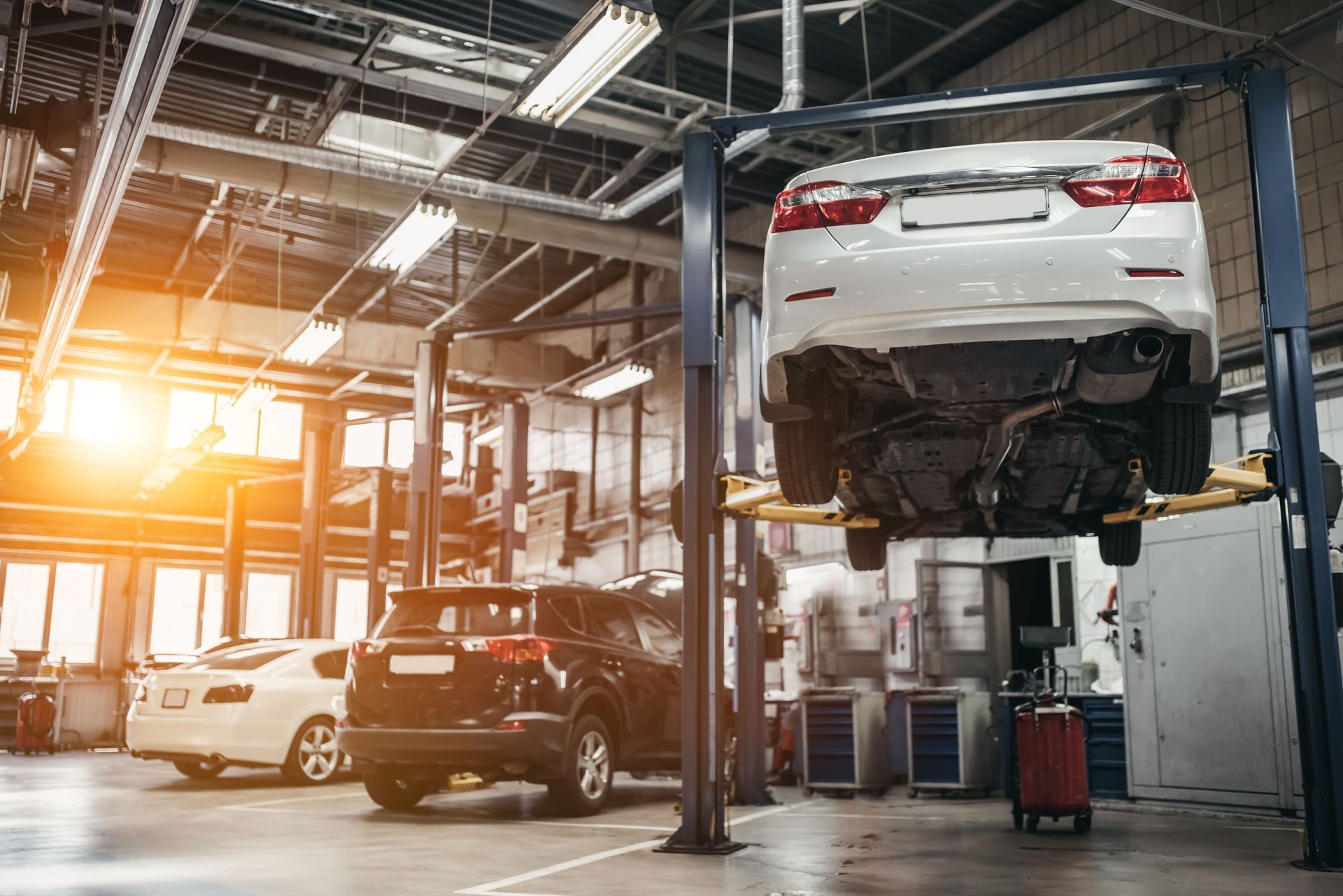
For example, high-quality lifts can speed up inspections and repairs, while advanced diagnostic tools can quickly identify issues that would otherwise take hours to troubleshoot. These improvements not only save time but also allow your shop to handle more work.
When evaluating equipment, think about how it fits into your daily operations. The right choices will help create a smoother, more efficient workflow that benefits both your team and your customers.
Prepare for Future Growth
As your shop grows, your equipment needs may change. Choosing scalable solutions can help you adapt without having to replace everything down the line.
Look for equipment that can handle increased workloads or be upgraded with additional features. This approach allows you to expand your capabilities while making the most of your initial investment.
Planning for growth also means staying informed about industry trends and emerging technologies. Keeping your shop equipped with modern tools can help you stay competitive in an evolving market.
Choosing the right auto equipment for your shop requires careful planning and thoughtful decision-making. From evaluating your services and space to prioritizing quality and safety, each step plays a role in building a reliable and efficient workspace. By investing in the right tools, you can improve productivity, enhance customer satisfaction, and support long-term growth.
If you're ready to upgrade your shop or invest in new tools, now is the time to take action. Work with Central Equipment, explore your options, and choose equipment that aligns with your goals. The right decisions today can set your shop up for lasting success tomorrow.