September 24, 2026
When you drop your car off for a routine service, it's easy to picture the visible parts of the job: an oil change, a tire rotation, maybe a quick brake inspection. What most drivers never see is the quiet, methodical work happening in the background that determines whether your vehicle drives smoothly or shakes, pulls, or wears unevenly within a few thousand miles. A huge part of that invisible work involves the equipment mechanics rely on every single day, and few tools matter more to ride quality than the wheel balancer. Before a technician ever bolts your wheel back on, there's a whole system of calibration, diagnostics, and maintenance happening that most customers never think about — but absolutely should. This post pulls back the curtain on what your mechanic actually does behind the scenes to guarantee precision, why wheel balancer repairs play a bigger role in that process than most people realize, and why trusting professionals with this equipment protects both your car and your safety.
Calibrating Every Tool Before the Work Begins
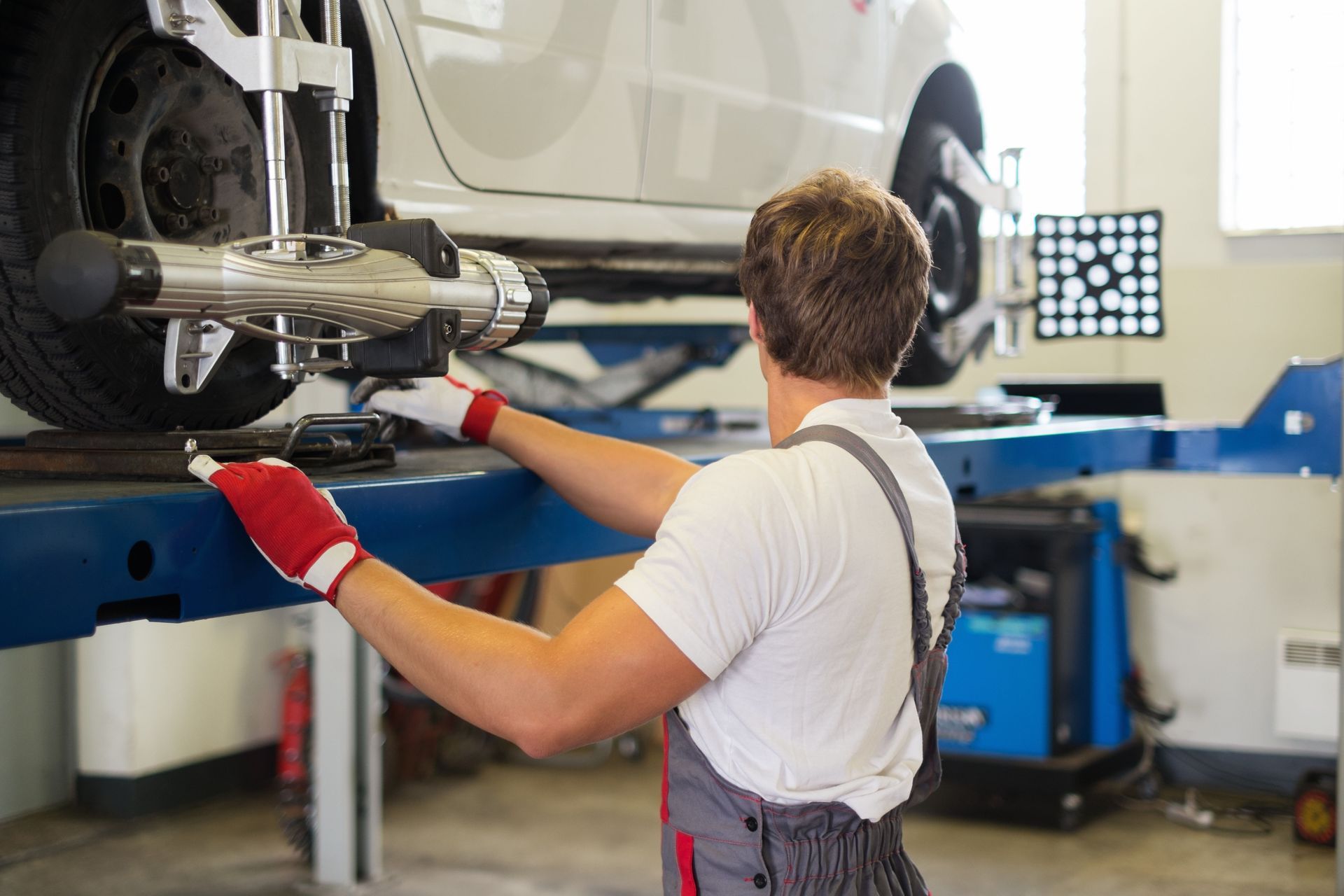
Long before your car ever reaches the service bay, a well-run shop has already spent time calibrating its equipment. Wheel balancers, alignment machines, and tire changers all rely on sensors and internal references that can drift out of spec over time, even with light use. A shop that skips this step is essentially guessing at measurements instead of confirming them. Calibration is the unglamorous first layer of precision, and it's why reputable shops treat wheel balancer repairs as routine maintenance rather than an afterthought. A balancer that hasn't been checked in months can report a wheel as perfectly balanced when it's actually off by several grams, and that small error is exactly the kind of thing a driver feels as a vibration at highway speed.
Diagnosing Vibrations With Data-Driven Precision
One of the most common reasons customers bring a car in is a vibration they can't explain — a shimmy in the steering wheel, a hum that gets worse at certain speeds, or a pulsing sensation through the seat. Mechanics don't just guess at the cause. They use diagnostic and testing equipment to isolate whether the issue stems from tire wear, suspension components, or an imbalance that requires wheel balancer repairs to resolve. This is an area where technology has become essential to accurate service. According to Grand View Research, diagnostic and testing tools accounted for roughly 22% of the global garage equipment market in 2024, underscoring just how central precise measurement has become to modern auto repair. Without that level of diagnostic accuracy, a technician could spend hours chasing the wrong problem while the real culprit — an out-of-tolerance balancer — goes unaddressed.
Scheduling Wheel Balancer Repairs Before Problems Escalate
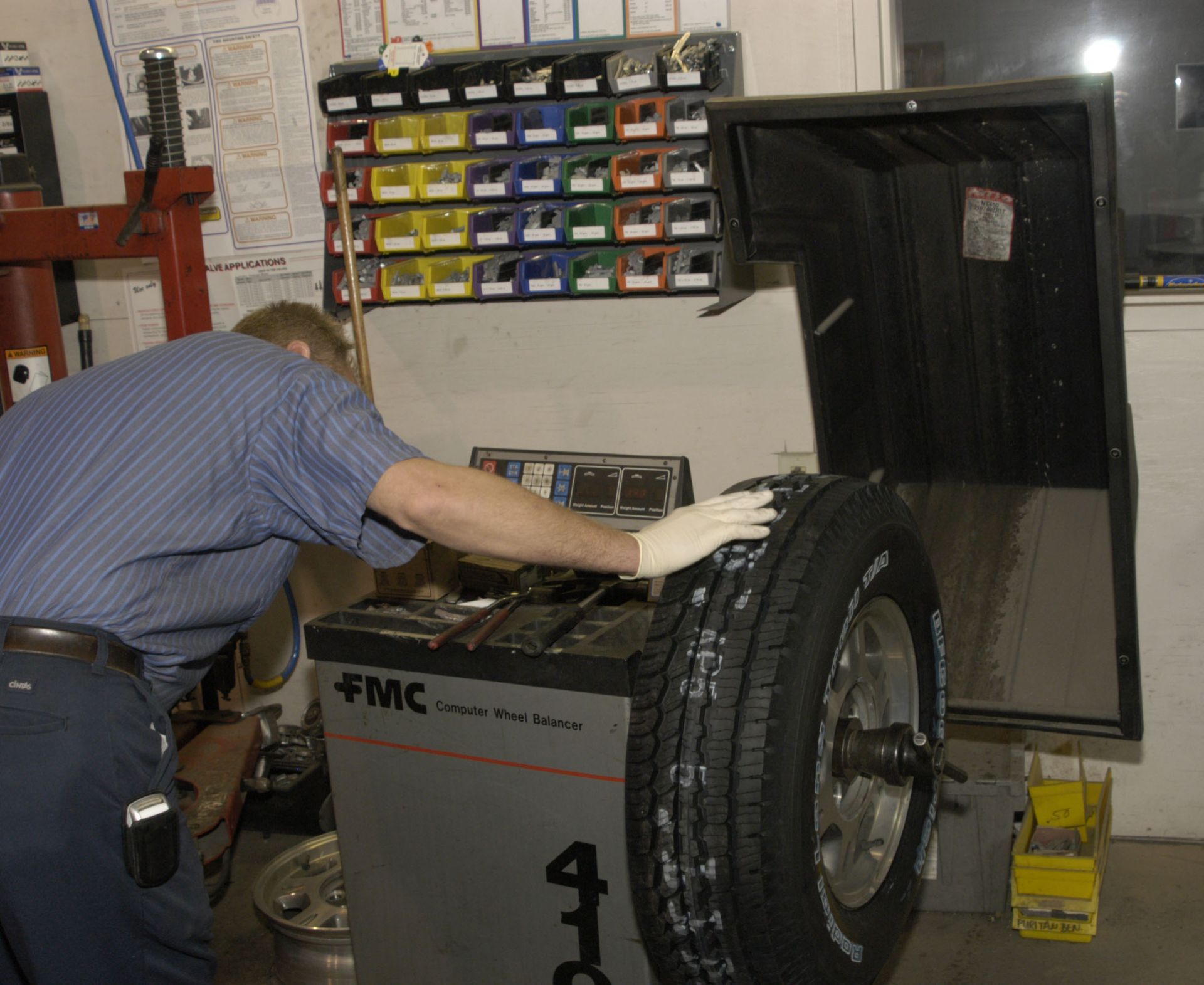
Good shops don't wait for a machine to fail completely before addressing it. They build a maintenance rhythm around their equipment, much the same way a driver should build one around their vehicle. This means tracking usage, watching for inconsistent readings, and scheduling wheel balancer repairs at the first sign of drift rather than after a customer complains about a shaky ride. A balancer that's neglected for too long doesn't just produce inaccurate results — it can damage wheel rims, accelerate tire wear, and create a false sense of confidence in work that was never actually correct. Proactive scheduling is one of the clearest signs that a shop takes precision seriously, and it's a habit that separates a reliable operation from one that's simply reacting to breakdowns as they happen.
Maintaining Shop Equipment to Protect Every Measurement
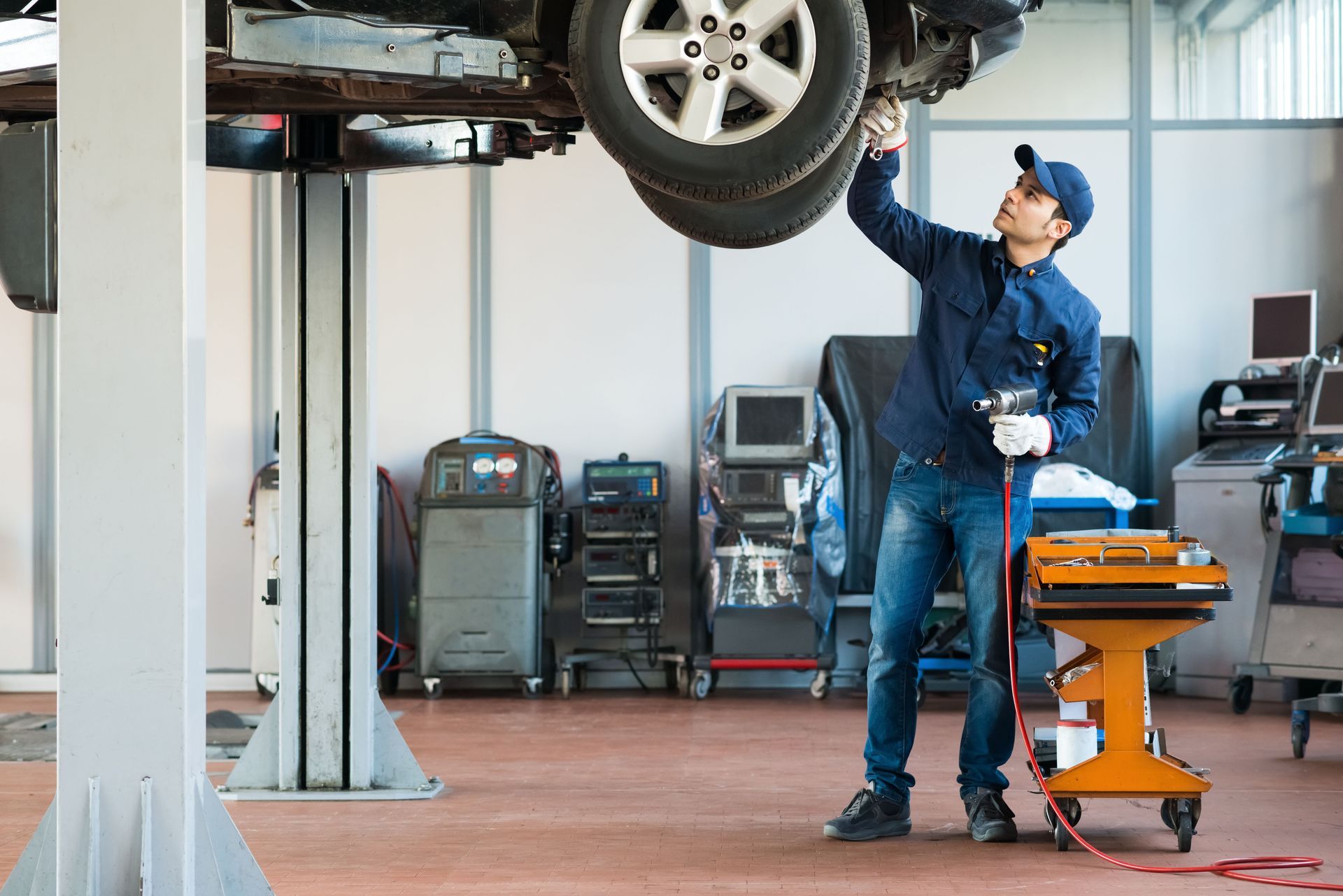
Precision doesn't stop at the balancer. Lifts, tire changers, and air compressors all work together to support the kind of careful, repeatable service that keeps a vehicle safe on the road. A lift that isn't properly inspected can shift a car mid-service, throwing off the very measurements a technician is trying to nail down. An air compressor with inconsistent pressure output can make it harder to seat a tire evenly, which in turn affects how well it balances afterward. This is why experienced shops treat their equipment as an interconnected system rather than a collection of standalone tools. When one piece falls out of alignment, it can quietly undermine the accuracy of everything downstream, including the wheel balancer repairs that are supposed to be the final safeguard against vibration and uneven wear.
Training Technicians to Interpret the Numbers Accurately
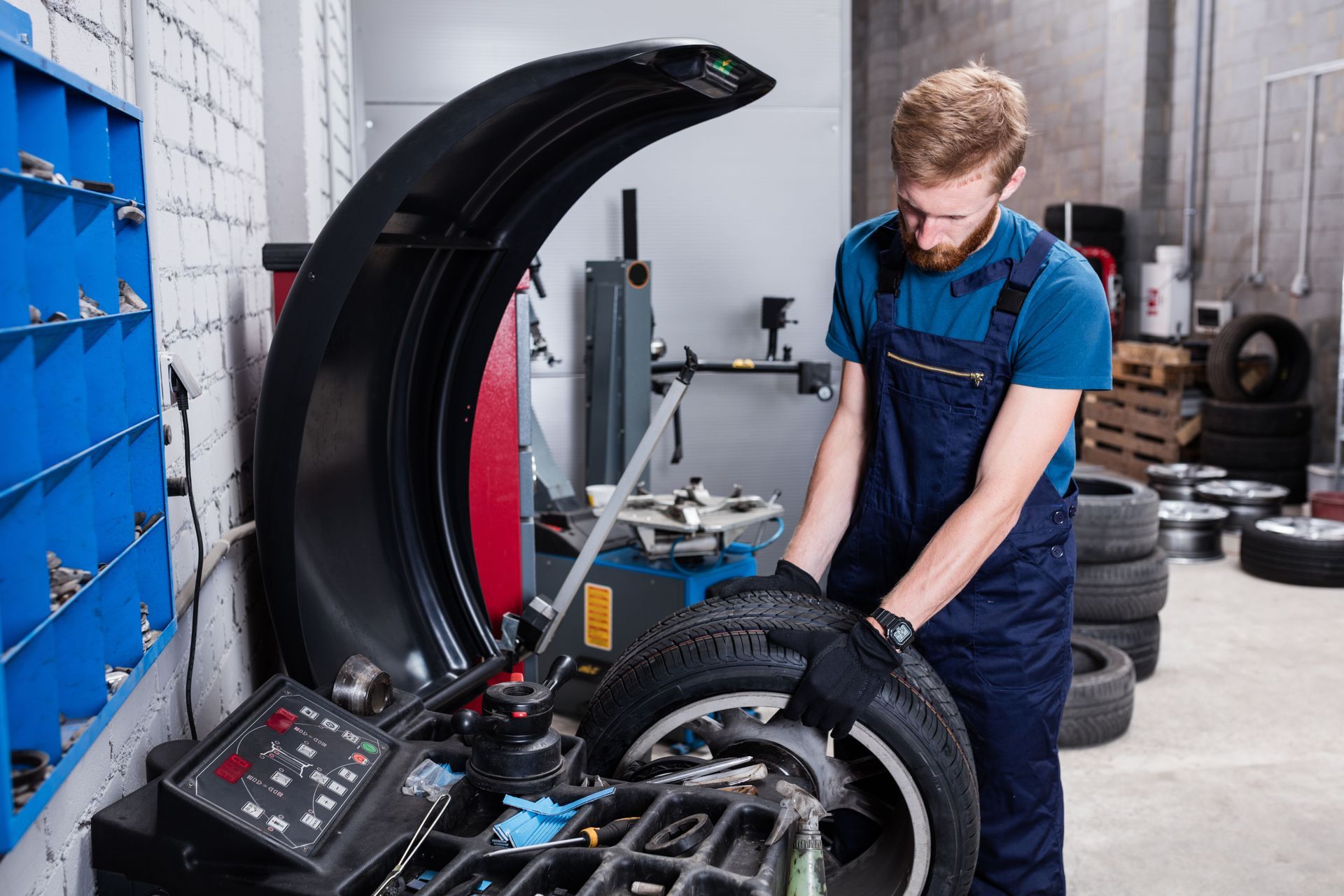
Even the best-calibrated machine is only as good as the person reading its output. A balancer can display a precise number, but it takes a trained technician to know what that number means in context, whether a slightly higher-than-normal reading points to a worn wheel bearing rather than a simple imbalance, and when a second measurement is needed to confirm a result. This is where the human element of the job becomes just as important as the technology itself. Technicians who understand the equipment inside and out are far more likely to catch a problem early, request wheel balancer repairs before a small discrepancy becomes a bigger issue, and explain the findings to a customer in a way that actually makes sense. Skilled interpretation turns raw data into a real diagnosis.
Documenting Service Records to Support Long-Term Reliability
The final piece of the puzzle is record-keeping. Shops that take precision seriously log equipment performance over time, noting when a balancer was last serviced, what readings it produced, and whether any patterns suggest a deeper issue. This documentation does more than satisfy internal procedure; it creates a paper trail that helps a shop plan for wheel balancer repairs before a machine fails at an inconvenient moment, and it gives customers confidence that the equipment behind their service has been properly maintained. A shop with detailed records isn't just organized for its own sake. It's building a system where accuracy can be verified rather than assumed, which matters enormously when a customer's safety depends on a wheel being balanced correctly the first time.
Understanding Why This Behind-The-Scenes Work Matters to You
None of this happens in front of the customer, which is exactly why it's so easy to overlook. But every one of these steps, from calibration to documentation, exists to protect something drivers rarely think about until it goes wrong: the precision of a spinning wheel at 70 miles per hour. A vehicle that isn't balanced correctly doesn't just feel uncomfortable. Over time, it wears tires unevenly, stresses suspension components, and can even affect braking performance. This is exactly why it's worth working with professionals rather than treating equipment maintenance as optional. A shop that invests in proper wheel balancer repairs, calibrated diagnostics, and trained technicians is investing in your safety, whether you ever see that work happen or not.
The next time your car comes back from the shop running smoother than it did before, know that a lot of unseen work went into that result. Calibrated tools, careful diagnostics, disciplined maintenance schedules, trained technicians, and thorough documentation all work together behind the scenes to guarantee the kind of precision drivers depend on every day. Wheel balancer repairs sit right at the center of that process, and neglecting them — or trusting them to an undertrained shop — is a risk that shows up in vibration, uneven tire wear, and a less comfortable, less safe ride. Precision isn't accidental. It's built through professional expertise and properly maintained equipment, which is exactly why this work should always be left to trained hands rather than guesswork.
If you're a shop owner looking to keep your own equipment running at the level your customers expect, we'd love to help. At Central Equipment, we support garages across Kansas, Missouri, and Oklahoma with sales, installation, and service for tire machines, balancers, lifts, and more. Reach out to Central Equipment today to schedule an inspection or get a quote, and let's make sure precision never falls through the cracks in your shop.